The rag doll is one of the simplest and most enduring toys ever created. For centuries, these soft, cloth figures have been stitched together from leftover fabric scraps, offering comfort to children and serving as a blank canvas for the imagination. Today, the term refers not only to a classic handmade toy but also to a popular category of commercial soft dolls, a symbol of vulnerability in language and art, and even a technical term for physics in video games. This guide explores everything from the definition and materials of a rag doll to its role in pop culture and what to look for when buying one for a child.
What Is a Rag Doll? Definition, History & Meaning
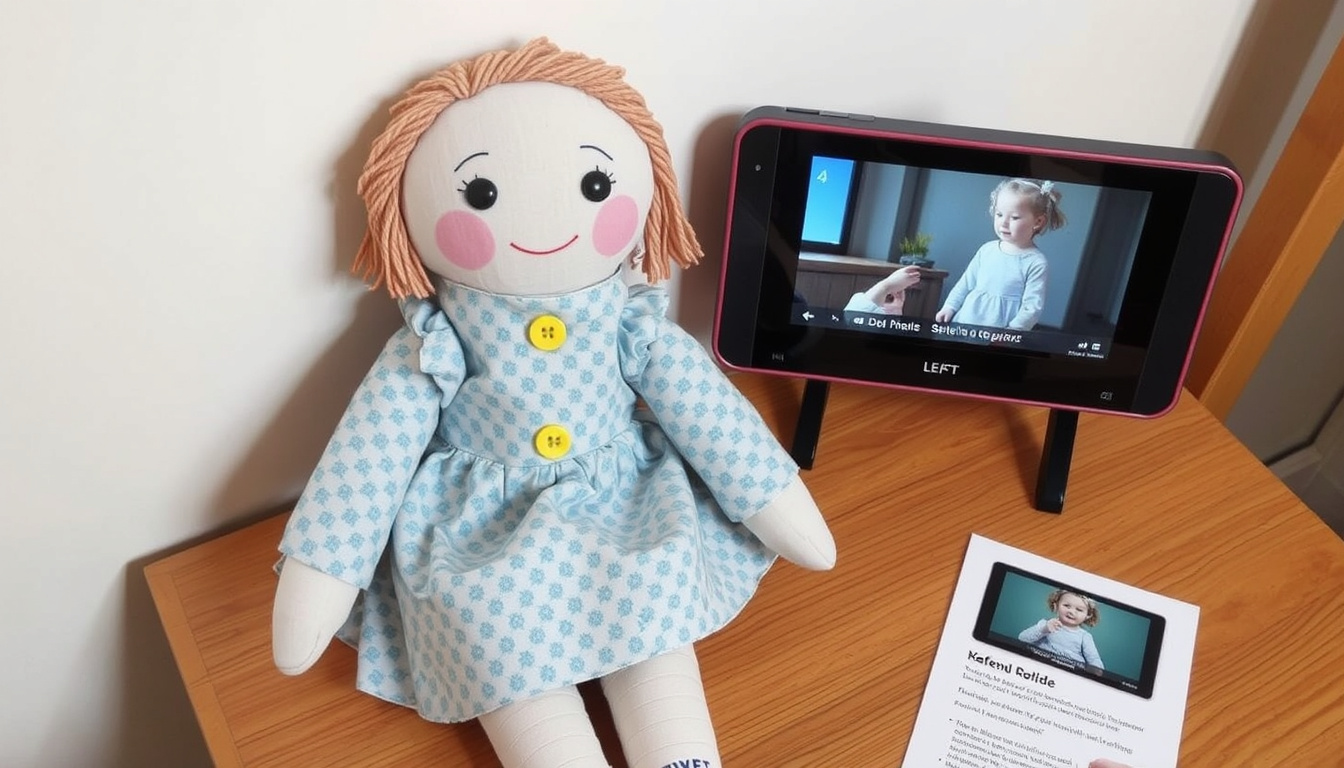
At its most basic, a rag doll is a doll made from cloth. Unlike a hard plastic or porcelain figure, it has a soft, flexible body that is traditionally stuffed with fabric scraps, wool, or cotton batting.
Rag Doll Meaning and Origin
The exact origins of the rag doll are unknown, but they are among the oldest known toys. Archaeologists have found cloth dolls in Egyptian tombs dating back thousands of years. In Europe and America during the 1800s, rag dolls became a standard homemade toy, crafted from fabric remnants because materials were scarce and expensive.
The Cambridge Dictionary defines a rag doll as “a soft child’s toy, made from cloth, in the shape of a person.” The Wikipedia entry adds that it is a doll made from scraps of fabric. The term has also entered figurative language: calling someone a “rag doll” describes a limp, passive, or powerless person.
How Traditional Rag Dolls Are Made
Traditional rag dolls are characterized by their construction. Simple stitched features, soft bodies, and patchwork clothing are hallmarks of the style. While early versions were purely functional, modern interpretations often retain this handmade aesthetic, even when produced commercially.
What Is a Rag Doll? A soft doll traditionally made from fabric scraps. Known for simple stitched faces and limbs.
Common Materials Cotton, linen, felt, wool. Usually stuffed with polyester fiberfill, wool, or cotton batting.
Safety for Babies Generally safe if parts are securely attached. No small buttons or hard pieces for infants under 12 months.
In Pop Culture Songs (The Four Seasons, Aerosmith), movies (Rag Doll 2019), and video game physics (ragdoll).
- Rag dolls are one of the oldest soft toys, dating back centuries with origins in scrap fabric reuse.
- Unlike plastic or plush toys, rag dolls have a distinct handmade aesthetic that appeals to sensory play.
- The term “rag doll” also describes limp, unresponsive movement in figurative speech and physics engines.
- Commercial rag dolls are now often labeled as “soft dolls” or “first dolls” for babies and toddlers.
| Feature | Detail |
|---|---|
| Traditional material | Cloth scraps (rags) |
| Typical filling | Cotton, wool, polyester fiberfill |
| Recommended age | 0+ if no small parts |
| Notable song | “Rag Doll” by The Four Seasons (1964) |
| Notable film | Rag Doll (2019), directed by Thomas H. Ingram |
| Similar terms | Soft doll, cloth doll, first doll |
What Is a Rag Doll Made Of? Materials and Construction
The materials used in a rag doll are central to its identity as a soft, safe toy. Understanding what goes into a rag doll helps buyers choose the right one.
Common Fabrics for Rag Dolls (Cotton, Felt, Linen)
Historically, rag dolls were crafted from whatever fabric was available, primarily discarded clothing. Today, manufacturers and crafters use a range of textiles. Common fabrics include cotton, stockinette, felt, linen, and sometimes velvet. The choice of fabric affects the doll’s texture, durability, and washability.
Difference Between Rag Dolls and Plush Toys
While both are soft, there are key differences. Plush toys are typically made from synthetic fur or fleece and are often based on animals. Rag dolls are generally made from woven fabrics like cotton, have a more human or humanoid shape with simple features, and are often lighter and more flexible.
Where to Buy a Rag Doll for a Baby Girl or Child
Rag dolls are widely available, from mass-market retailers to specialized online craft stores and marketplaces. The best choice depends on whether you want a simple, affordable toy or a personalized, heirloom-quality keepsake.
Personalized Rag Dolls as Keepsake Gifts
Personalized rag dolls have become a popular gift for christenings, birthdays, and other special occasions. Many small businesses and artisans offer dolls that can be customized with the child’s name, specific hair color, or embroidery. These often use high-quality materials like organic cotton.
What to Look for When Buying a Rag Doll for a Baby
When shopping for a baby, the primary concern is safety. Look for dolls with all features embroidered or securely stitched, avoiding glued-on buttons or plastic eyes that could become choking hazards.
Is a Rag Doll Safe for Babies and Toddlers?
This is the most pressing question for parents. The general consensus is that rag dolls are a safe option for babies, provided they are age-appropriate.
Safety Standards for Soft Dolls
There are formal safety guidelines for toys, such as those from the U.S. Consumer Product Safety Commission. For infants under 12 months, the key rules are avoiding small parts and ensuring the doll is lightweight. A rag doll with securely stitched parts and non-toxic fabrics is considered a safe choice. One source notes that rag dolls are “lightweight, durable, and safe for children,” but this is a general product description rather than a formal safety standard. Parents should always check the product label for age recommendations.
How to Clean and Maintain a Rag Doll
Proper care extends the life of the toy. Most cotton rag dolls can be surface-washed with a damp cloth. For a deeper clean, gentle hand-washing in cold water with mild soap, followed by air-drying, is usually safe. Check the manufacturer’s care label.
Based on the sources, the safest choice for a baby or toddler would be a doll with securely stitched parts and non-toxic fabrics. For newborns, a very small, lightweight rag doll with no small parts or loose hair is ideal, though supervised play is always recommended.
Rag Doll in Media: Song, Game, and Movie Explained
The rag doll has a significant presence in popular culture, carrying different meanings in music, film, and technology.
The Song “Rag Doll” by The Four Seasons
The most famous musical reference is the 1964 hit “Rag Doll” by The Four Seasons. The song tells the story of a boy in love with a girl from a poor background, referring to her as a “rag doll” to emphasize her tattered clothes and social status. It is a different song from Aerosmith’s “Rag Doll,” which has its own distinct meaning about a confident woman. You can listen to the original song on YouTube.
Rag Doll Movie (2019) Plot Summary
The term also appears in film. The 2019 movie Rag Doll, as described on IMDB, follows a woman named Nora Phoenix who enters an MMA tournament to escape systemic violence in her life.
Ragdoll Physics in Video Games
Perhaps the most common modern use of the term is in “ragdoll physics.” This is a procedural animation technique used in video games and movies where a character’s body moves in a limp, realistic manner, simulating the physics of a rag doll after being hit or falling.
Rag Doll vs Soft Doll vs Plush Toy: What’s the Difference?
For parents navigating the toy aisle, these terms can be confusing. Understanding the distinctions helps in making the right purchase.
Key Characteristics of a Rag Doll
A rag doll is specifically a cloth doll, usually with a human shape and simple features. Its body is soft and flexible, and it is typically lighter than a plush toy. The handmade look is a key part of its charm.
Why Parents Choose Rag Dolls for Sensory Play
Many parents prefer rag dolls for young children because they are easy for small hands to grasp and hold. Their soft, natural textures and simple faces are thought to encourage imaginative play. They also pose a lower risk of injury if thrown, unlike hard plastic dolls.
A Timeline of the Rag Doll: From Ancient Roots to Modern Media
The journey of the rag doll spans millennia, adapting from a necessity into an icon.
- Ancient era: Earliest cloth dolls found in Egyptian tombs.
- 1800s: Rag dolls become common homemade toys in Europe and America.
- 1890s: First mass-produced rag dolls begin to appear. (Raggedy Ann was later introduced in 1915).
- 1964: “Rag Doll” song by The Four Seasons popularizes the term globally.
- 2000s: Ragdoll physics becomes a standard feature in video game engines.
- 2020s: Modern personalized rag dolls remain popular as heirloom toys and unique gifts.
Established Facts and Remaining Questions About Rag Dolls
When researching rag dolls, some information is well-documented while other aspects remain less clear.
| Established Information | Information That Remains Unclear |
|---|---|
| It is certain that rag dolls originated as handmade toys from leftover fabric. | The exact chronological and geographic origins of the first rag doll are unknown. |
| The phrase “rag doll” in physics is a metaphor for limp movement, not a reference to the physical toy. | There is no single, universally accepted formal safety standard specifically for “rag dolls” as a category. |
| Safety is generally high for soft rag dolls without small parts. | Each individual product should be checked for small parts if intended for infants under 12 months. |
| The song “Rag Doll” is widely attributed to The Four Seasons. | Other bands like Aerosmith have songs with the same name but different meanings, which can cause confusion. |
The Cultural Context: Why Rag Dolls Endure
Rag dolls represent a nostalgic, low-tech alternative to modern electronic toys. In a world of flashing lights and sounds, the quiet simplicity of a cloth doll holds significant appeal. They hold cultural significance as handmade heirlooms, often passed down through generations, symbolizing simplicity and creativity. On search engines, the term “rag doll” is split between three distinct intents: toy purchase, cultural reference, and physics term. This guide aims to bridge those intents by serving as a comprehensive hub for all aspects of the rag doll.
Key Sources and Quotes on the Rag Doll
“A rag doll is a doll made from scraps of fabric.”
— Wikipedia
“A soft child’s toy, made from cloth, in the shape of a person.”
— Cambridge Dictionary
“In an attempt to escape the systemic violence in her life, inexperienced Nora Phoenix enters an MMA tournament…”
— IMDB (Plot of ‘Rag Doll’ 2019)
Summary: What is a Rag Doll in 2025?
A rag doll today is far more than just a toy. It is a historical artifact, a safe first companion for a baby, a personalized keepsake gift, a symbol in song and film, and a term used in advanced video game programming. Whether you are looking to buy a soft doll for a child, craft your own, or simply understand the cultural references, the rag doll remains a simple, meaningful, and versatile creation.
For more on timeless characters in media, check out our Peter Rabbit – Complete Guide to Books, Movies & TV Series or the SpongeBob SquarePants – Full Guide to Episodes and Seasons.
Frequently Asked Questions About Rag Dolls
What does rag doll mean figuratively?
It describes a person or object that is limp, powerless, or easily manipulated, like a rag doll.
How do you clean a rag doll?
Most rag dolls can be surface washed or gently hand-washed in cold water and air-dried.
Are rag dolls good for newborns?
Yes, if they have no small parts or loose hair. Always supervised first.
What is ragdoll physics?
A type of procedural animation in video games where characters fall and react with limp, lifelike movement.
Is “Rag Doll” by Aerosmith the same as the Four Seasons song?
No. Aerosmith’s “Rag Doll” is about a woman; The Four Seasons’ is about a girl from a poor background.
What is the difference between a rag doll and a plush toy?
Rag dolls are made from woven fabric like cotton, have simple human features, and are often lighter. Plush toys are made from synthetic fur and are usually animals.
Where can I get a free rag doll pattern?
Many online crafting sites and blogs offer free rag doll sewing patterns for beginners.

Sophie Kendall is Culture & Events Editor at DailyCity.co.uk, covering restaurants, nightlife, theatre, exhibitions, festivals and city life.