
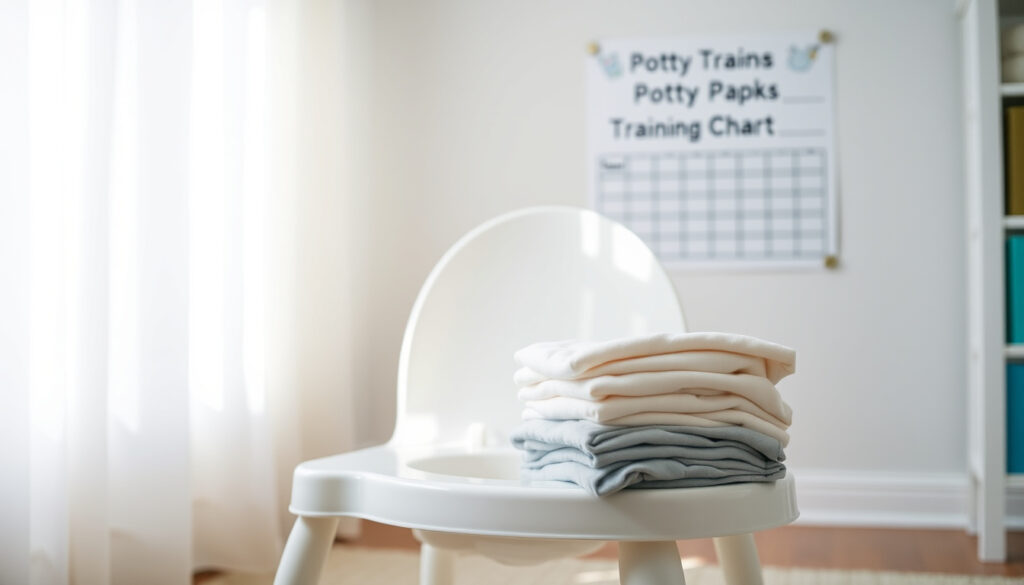
Every parent eventually faces the question of when and how to start potty training. The advice can be contradictory: some sources recommend waiting for signs of readiness, while others promise success in three days. Medical guidance from organizations such as the NHS and the Mayo Clinic emphasizes that this is a developmental process, not a race. Understanding what the evidence actually says can help families navigate this milestone with confidence.
Research on potty training is limited but fairly consistent. There is no strong evidence that one method is best for all children, and major pediatric guidance has traditionally favored a child-oriented approach that begins when the child is developmentally ready and interested. The following guide draws on those findings to provide a neutral, fact-based overview.
When Should You Start Potty Training?
| Potty Training at a Glance | |
|---|---|
| Best Age Range | 18 months to 2.5 years (NHS); readiness varies |
| Average Duration | 3 to 6 months for daytime; longer for nighttime |
| Key Readiness Signs | Staying dry for 2+ hours, showing interest, telling you |
| Essential Supplies | Potty or seat insert, training pants, step stool, rewards |
Several insights emerge from the research:
- Starting too early (before 18 months) often leads to longer training time
- Consistency and positive reinforcement are more effective than punishment
- Girls tend to train slightly earlier than boys, but individual variation is large
- Most children achieve daytime dryness before nighttime dryness
- Using a child-led approach may reduce resistance
| Fact |
|---|
| 75% of children are dry by day by age 3 (NHS data) |
| Nighttime training often takes additional months to years |
| Accidents are normal and should not be punished |
| The average age to start potty training is around 27 months |
| Potty training regression can occur due to stress, illness, or new siblings |
Signs Your Child Is Ready for Potty Training
The American Academy of Family Physicians notes that common readiness signs include staying dry for at least two hours, showing interest in the toilet or potty, being able to follow simple instructions, and communicating the need to go. Not all children show every sign, and the timing varies widely.
Age Range: 18 Months to 2.5 Years
The American Academy of Pediatrics and Canadian Paediatric Society have recommended starting around 18 to 24 months when the child shows interest. However, later commentary and some newer expert guidance suggest many children may do well starting between roughly 27 and 32 months, according to research from the National Institutes of Health. The NHS advises that almost all children can be potty trained between 18 months and 2.5 years.
Why Starting Too Early Can Backfire
Starting before a child has the physical or emotional readiness can lead to longer training duration, constipation, and power struggles. A review of the evidence found that late toilet training may carry some risk of elimination disorders, though the data is not definitive.
Observe your child’s cues rather than following a strict calendar age. If you see resistance, it may be better to wait a few weeks and try again.
How to Potty Train Your Child in 3 Days
Intensive or rapid methods, often called “3-day potty training,” are popular anecdotally but lack robust clinical evidence. The approach is often associated with the work of Azrin and Foxx, who developed a structured intensive method in the 1970s. Both the child-oriented approach (Brazelton) and the intensive approach appear effective in healthy children, but trials have not clearly shown one is better, according to multiple reviews.
Day 1: Preparation and Naked Time
Parents who use this method typically remove diapers and let the child go without underwear for the first day. The idea is to help the child recognize the sensation of needing to go. Frequent prompts to sit on the potty are given every 15-30 minutes. Success is rewarded with praise or small incentives.
Day 2: Potty Prompts and Practice
The second day involves continuing the routine but with underwear or training pants. Parents offer reminders and encourage the child to initiate trips to the potty. Accidents are handled calmly and without punishment.
Day 3: Transition to Underwear
By the third day, many children are able to stay dry for longer stretches. Parents continue to praise successes and remain patient. It is important to note that most children take weeks or months to achieve full daytime control. The ERIC Children’s Bowel & Bladder Charity emphasizes that potty learning is a gradual process.
No high-quality trials have compared the 3-day method to other approaches. Parental reports of success are common, but the scientific literature on stool refusal, withholding, and hiding to defecate is too limited for firm conclusions.
What Potty Training Equipment Do You Need?
Potty Chairs vs Toilet Seat Inserts
A standalone potty chair gives the child a sense of security and independence because their feet touch the floor. Toilet seat inserts with a step stool can also work, especially for older toddlers who want to use the big toilet.
Training Pants vs Pull-Ups
Training pants are designed to feel wet, which can help the child associate the sensation with the need to go. Pull-ups are more absorbent and convenient for outings, but some experts argue they delay learning because they feel too much like a diaper.
Essential Accessories
A step stool, small rewards (stickers, praise), and children’s books about potty training are commonly recommended. The Derbyshire Family Health Service suggests keeping everything ready before you begin.
Common Potty Training Challenges and Solutions
Resistance: Staying Calm and Consistent
If a child refuses to sit on the potty, forcing the issue can create negative associations. Experts recommend taking a break for a few weeks and then trying again. The Rutgers University potty training advice emphasizes that timing matters more than the exact method.
Nighttime Training: When and How
Nighttime dryness is controlled by a different set of physiological mechanisms. Most children achieve daytime control before nighttime control. Nighttime training usually begins when the child wakes up dry from naps or in the morning. Bedwetting beyond age 5-7 may require medical evaluation.
Regression: Causes and Tips
Potty training regression can occur due to stress, illness, a new sibling, or changes in routine. The Parenting Science potty training tips recommend returning to basics without punishment.
Research on stool toileting refusal, withholding, and hiding to defecate is too limited for firm conclusions. If your child shows persistent signs of withholding or pain, consult a pediatrician.
Potty Training for Girls vs Boys: Is There a Difference?
Some studies suggest that girls tend to show readiness slightly earlier than boys on average, but individual variation is large. The difference may be influenced more by social factors and parental expectations than biology.
Girls: Typically Earlier Verbal Readiness
Girls often develop language skills earlier, which can help them communicate the need to go. However, this is not a universal rule.
Boys: Standing vs Sitting Debate
Many parents teach boys to sit first and then transition to standing later. This avoids confusion and reduces mess during the learning phase.
Evidence-Based Tips for Each
Regardless of gender, the same principles apply: look for readiness, use positive reinforcement, and stay consistent. The Wikipedia toilet training article provides a broad overview of cultural and historical methods.
Potty Training Timeline (Typical)
- 18–24 months: Showing interest; staying dry for short periods
- 24–30 months: Beginning active training; daytime success begins
- 30–36 months: Most children are daytime trained; occasional accidents
- 3–4 years: Nighttime dryness achieved for many
- 4+ years: Remaining bedwetting often resolves naturally
What Is Certain and What Remains Uncertain in Potty Training?
| Established Information | Information That Remains Unclear |
|---|---|
| NHS and Mayo Clinic agree on 18–30 months as typical readiness window | Exact age for starting remains debated; some advocate earlier if child shows readiness |
| Readiness signs (staying dry, interest) are reliable indicators | 3-day bootcamp methods lack robust clinical evidence but are popular anecdotally |
| Positive reinforcement is recommended by all major health bodies | Gender differences may be influenced more by social factors than biology |
| Accidents are normal and not a sign of failure | Nighttime training timing varies widely and no single rule applies |
Expert Context and Analysis
Potty training is a developmental milestone that requires patience and understanding. Medical guidelines from the NHS and Mayo Clinic emphasize waiting until the child shows readiness, while many parents seek faster methods like the 3-day approach. Research suggests that starting too early can lead to constipation and power struggles. A child-led, gradual approach often yields less stress for both parent and child. The key is to look for individual readiness rather than a strict calendar age.
Authoritative Sources and Quotations
“Almost all children can be potty trained between 18 months and 2-and-a-half years old.”
— NHS
“Potty training is a big step for kids and their parents. You’ll teach your child the basics…”
— Mayo Clinic
“Potty learning means helping your child use a potty or toilet as part of their overall learning.”
— ERIC (Children’s Bowel & Bladder Charity)
What’s Next After Potty Training?
Once daytime training is established, the next steps include transitioning from potty to toilet, building hygiene habits like hand washing, recognizing nighttime training readiness, and managing regression during travel or changes in routine. Each stage is a learning opportunity for both child and caregiver.
Frequently Asked Questions
Can I potty train my child in 3 days?
Some parents report success with intensive methods, but most children take weeks. Consistency and patience are key.
Should I use rewards like stickers?
Yes, small non-food rewards can motivate children. Avoid over-reliance.
What if my child refuses to sit on the potty?
Take a break for a few weeks, then try again. Forcing can create negative associations.
When should I start nighttime potty training?
When your child stays dry through naptime and wakes up dry in the morning.
Is it normal for potty training to take a long time?
Yes. Every child is different. Regression is also common.
Does this guide also cover potty training for dogs?
No, this guide focuses on children. For pet training, consult a veterinarian.

Rebecca Haines is Managing Editor at DailyCity.co.uk, running the daily news list and covering UK and world stories with a city lens.