Every parent eventually faces the question of when and how to help their child move from nappies to using the toilet. Potty training is a major developmental milestone, but there is no single calendar date that works for every child. Experts agree that readiness depends on a combination of physical, cognitive, and emotional signs rather than age alone. Most children are ready to begin between 18 months and 3 years, with the average age in the United States being around 2 to 3 years, according to UC Davis Health.
The process can feel daunting, but understanding the key stages, choosing the right approach, and using evidence-based guidance — including the latest NHS recommendations — makes it far more manageable. This guide covers when to start, how to approach training for a girl, what products can genuinely help, and where to find trusted UK resources.
When Should I Start Potty Training?
The most common question parents ask is about timing. Most children begin to show readiness between 18 months and 3 years, with the average starting point around 27 months. However, starting too early can lead to frustration. The American Academy of Pediatrics advises waiting until a child shows clear behavioural signs of readiness, rather than starting at a fixed age.
18 months to 3 years (most common at 27 months)
Stays dry for 2+ hours, shows interest, pulls at nappy
Daytime: 3–6 months; Night-time: often longer
Start with nappy-free time and a child-friendly potty
Key Readiness Insights
- Readiness varies widely; parents should watch for individual cues rather than comparing to peers or a fixed age.
- UK guidance from ERIC and the NHS focuses on a low-pressure, child-led approach that respects each child’s pace.
- Selecting the right products — a comfortable potty seat, easy-to-pull training pants, and engaging books — can reduce friction.
- While girls may show readiness slightly earlier on average, the variation among children is far greater than any gender difference.
- It is best to avoid starting training during major life changes (moving house, new sibling) to keep the experience positive.
Readiness Signs at a Glance
| Area | What to Look For |
|---|---|
| Physical | Stays dry for 2+ hours; can pull pants up and down; sits on potty independently |
| Cognitive | Follows simple instructions; recognises the need to go (e.g., grunting, squatting) |
| Emotional | Shows discomfort with wet nappies; interested in others using the toilet; wants to be “big” |
| Motor | Can walk to the potty; able to pull pants up and down; sits and stands without help |
| Communication | Can say or sign “wee” or “poo”; understands simple instructions |
Physiological control of the sphincter muscles typically develops between 12 and 18 months, but sustained dryness — a key sign of readiness — usually appears after the second birthday, according to Zero to Three.
How to Potty Train a Girl
Many parents wonder whether girls need a different approach. According to Babylist and UC Davis Health, the core principles are identical for all children. Girls may show readiness slightly earlier on average, but the wide range of individual variation far outweighs any gender difference. The key is to follow the child’s cues, not a calendar.
Practical Steps for Any Child
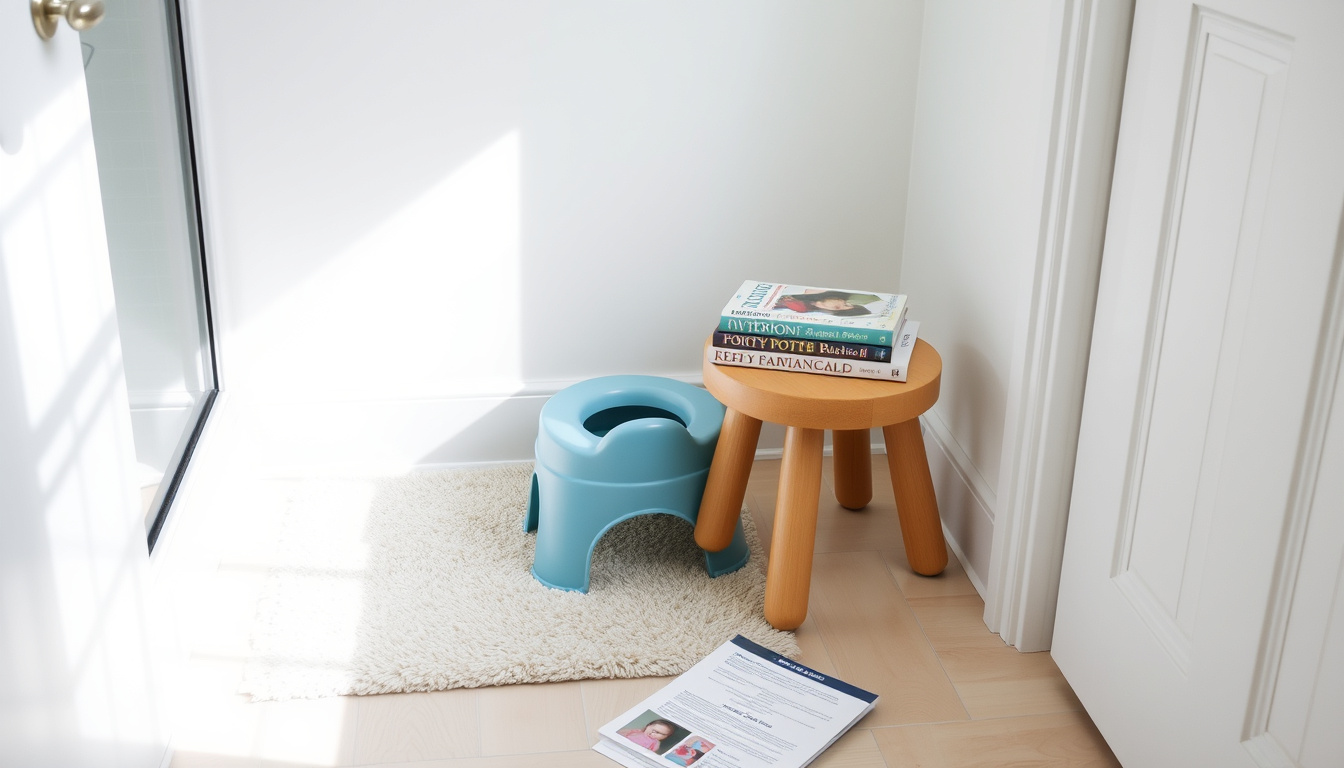
Start by placing a potty chair in a familiar room and let your child sit on it fully clothed. Gradually move to sitting without the nappy. Let them watch you use the toilet and explain what you are doing — children learn through imitation. Set a routine: potty time after waking, before and after meals, and before bed. Use easy-to-remove clothing so they can practise pulling their pants up and down.
Encouragement and Handling Setbacks
Praise every effort, even if nothing happens. Simple statements like “Well done for sitting on the potty” work well. Avoid too much fanfare, which can create anxiety. When accidents happen — and they will — stay calm. Clean up without fussing or shaming. The Derbyshire NHS guidance stresses that a relaxed, consistent approach builds confidence and trust.
Teaching girls to wipe from front to back can help prevent urinary tract infections. Otherwise, the approach is identical: watch for readiness, stay positive, and follow your child’s lead. The same principles apply to all children.
Choosing the Right Products: Seats, Pants, and Books
The right equipment can ease the process. A sturdy, easy-to-clean potty chair placed in a convenient spot helps the child feel in control. Some children prefer a padded seat that fits on the regular toilet, especially as they grow. Training pants that pull up and down like underwear but offer absorbency can bridge the gap between nappies and pants. Picture books about using the potty — such as those featuring favourite characters — make the concept playful and normal.
What to Look for in a Potty Seat
Choose a seat that is stable, comfortable, and easy for the child to climb onto and off. Many models have a removable bowl for quick cleaning. For toilet seat adapters, ensure the fit is snug and secure, and use a step stool so the child can get on and off safely.
Choosing Training Pants
Look for pants that are easy for small hands to pull up and down independently. Cotton training pants are reusable and feel more like underwear, while disposable training pants are convenient for outings. The goal is to transition to regular underwear once the child is reliably dry during the day.
Helpful Books and Stories
Reading a potty-themed picture book can demystify the process and make it feel like a normal, positive step. The AAP’s parenting site recommends choosing books with simple illustrations and a reassuring tone. Reading together regularly helps normalise the toilet and reduces resistance.
UK Guidance and Local Support
For families in the UK, the NHS and the charity ERIC (the Children’s Bowel and Bladder Charity) offer the most trusted advice. ERIC’s potty training guide breaks the process into three stages: preparation, practice, and perfecting. The Welsh Government also provides clear, child-centred guidance for families.
While some private companies offer paid potty training classes, the NHS and local health visitors typically provide free, individual advice. Most UK families start training at home using these resources, rather than attending formal classes.
UK-Based Resources for Families
In addition to national advice from the NHS, local children’s centres often run informal drop-in sessions. Health visitors can offer one-to-one support and may know about community groups. The key is to rely on reputable, child-led methods rather than commercial programmes that promise quick fixes.
Timeline: From Early Awareness to Night-Time Dryness
Experts ERIC and the Mayo Clinic outline a general progression, though every child moves at their own pace:
- Pre-training (12–18 months): Introduce the potty as a familiar object. Allow nappy-free time so your child understands the feeling of being wet.
- Starting out (18–24 months): Watch for signs of readiness. Sit your child on the potty fully clothed, then without a nappy, for short periods.
- Active training (24–30 months): Increase nappy-free time, take the potty with you when out, and use praise for any attempt.
- Daytime independence (30–36 months): Most children can now use the potty with few accidents during the day. Night-time dryness usually takes longer.
- Night training (3–5 years): Night-time control develops gradually. Use waterproof bedding and praise dry mornings without pressure.
What the Evidence Says vs. What Remains Unclear
| Well-Established Facts | What Varies by Child |
|---|---|
| Most children show readiness between 18 months and 3 years. | The exact age of readiness varies; no universal “right” age exists. |
| Praise and positive reinforcement are more effective than punishment. | Some children take 6 months or more to achieve full daytime control. |
| Daytime dryness usually comes well before night-time dryness. | Whether a child prefers a potty chair or a toilet seat adapter depends on individual comfort. |
| Starting during a stressful period can cause setbacks. | Night-time dryness may not be achieved until age 5 or 6 for some children. |
Different Approaches and Cultural Differences
UK health authorities, including the NHS and ERIC, strongly recommend a child-led, low-pressure approach. Some methods from other countries encourage earlier, more structured training, but UK experts caution that this can lead to resistance and prolonged accidents. The key is responsiveness to the child’s cues, not the calendar. Innovations like training pants with wetness liners and cushioned potty seats have made the process gentler for modern families.
What Happens After Potty Training?
Once daytime training is consistently successful, many parents wonder about the transition to a regular toilet. This usually happens naturally as the child grows. Night-time dryness typically follows weeks or months later. It is normal for children to have occasional accidents during illness, stress, or excitement. The best response is always calm, practical clean-up without blame.
For more on child development topics, you might find our articles on Mr Tumble – Real Name, Age, Net Worth and Cookie Monster – Biography, Games, and Facts helpful.
Frequently Asked Questions
Where can I find potty training classes near me?
Check with your local children’s centre, health visiting team, or the Family Information Service for informal parent-and-child sessions. Many UK areas offer free or low-cost drop-in groups rather than formal classes.
What’s the difference between a potty chair and a toilet seat adapter?
A potty chair is a standalone unit that sits on the floor and is often more stable for toddlers. A toilet seat adapter fits onto the existing toilet and requires a step stool. Both work well; the choice depends on your child’s confidence and your bathroom layout.
How long does potty training usually take?
Daytime training typically takes 3 to 6 months from the first serious attempt. Night-time dryness often takes much longer, sometimes up to a year or more.
Should I use reward stickers or sweets?
Most child development experts recommend praise and small, non-food rewards like stickers. Avoid sugary treats or elaborate prizes, as they can shift the focus from the child’s own sense of achievement.
What if my child refuses to sit on the potty?
Stop and wait a few weeks. Pressure can backfire. Let the child watch you use the toilet, read potty books together, and let them sit on the potty fully clothed until they feel comfortable.
Is constipation common during training?
Yes, some children hold in their stools because they are anxious or not ready. Make sure they drink plenty of water, eat fibre-rich foods, and never force them to sit for long periods.
When should I start night-time training?
Most children achieve night dryness between ages 3 and 5. Wait until they are regularly dry during naps and wake up dry in the morning before starting night-time training.
Does the NHS offer a specific potty training programme?
The NHS and ERIC recommend a child-led approach rather than a rigid programme. Health visitors can offer personalised advice, but there is no one-size-fits-all schedule.
Can I train twins at the same time?
Yes, but each twin may be ready at a different time. It is fine to train them together if both show signs of readiness, or to wait until each is individually ready.
How should I handle accidents?
Stay calm and clean up without fuss. Accidents are normal and part of the learning process. Scolding can create anxiety and slow progress.

Sophie Kendall is Culture & Events Editor at DailyCity.co.uk, covering restaurants, nightlife, theatre, exhibitions, festivals and city life.