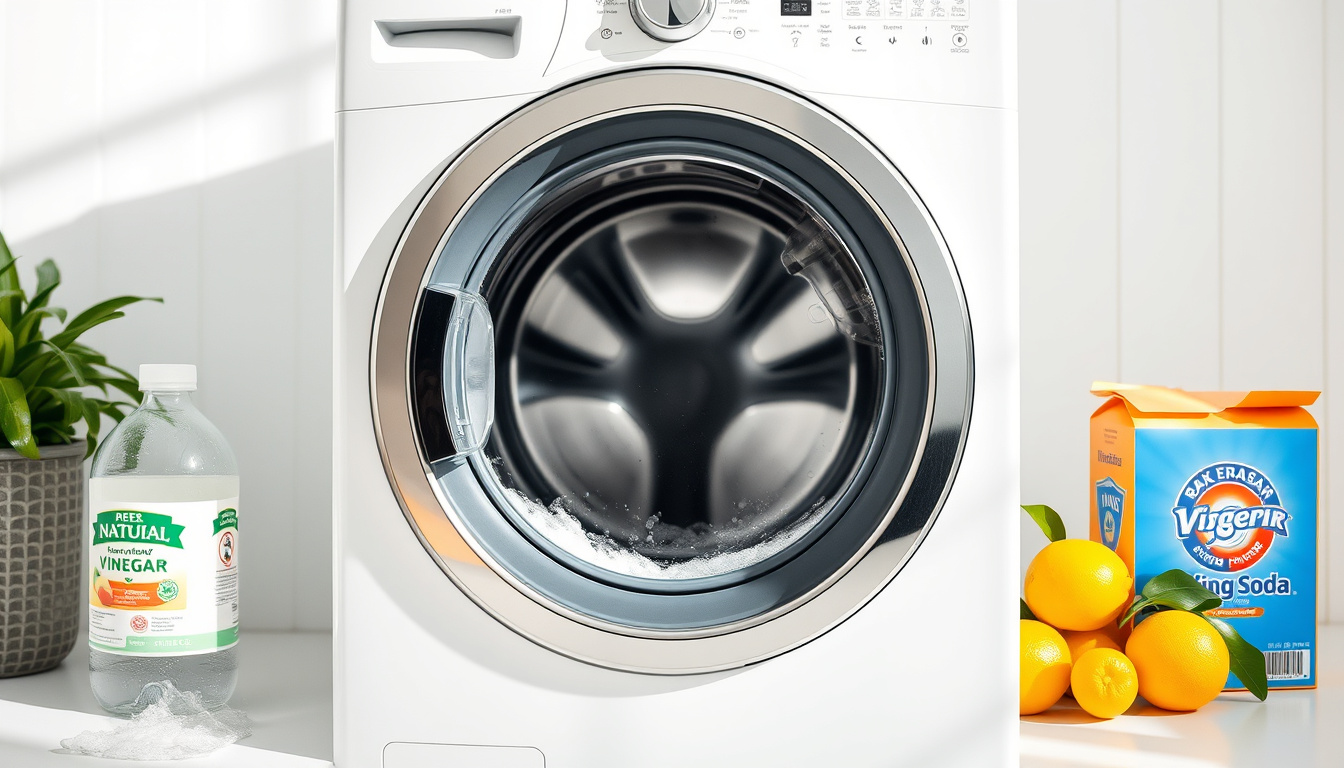
Regular maintenance keeps a washing machine running efficiently and prevents the buildup of limescale, mould, and unpleasant odours. Over time, detergent residue and hard water deposits accumulate inside the drum, rubber seals, and filter, creating conditions where bacteria can thrive. This guide covers proven methods using vinegar, baking soda, and alternative cleaners, along with step-by-step instructions for accessing and cleaning often-neglected components.
Whether using a front-loader or top-loader, the same core principles apply: hot water cycles, periodic deep cleaning, and attention to seals and filters. The approach chosen depends on available ingredients and manufacturer recommendations.
How to Clean a Washing Machine with Vinegar and Baking Soda
The combination of white vinegar and baking soda ranks among the most accessible and effective methods for routine washing machine cleaning. Vinegar dissolves limescale and neutralises odours, while baking soda acts as a gentle abrasive that lifts residue from drum surfaces.
Add 2 cups of white vinegar to the detergent dispenser drawer, then pour 1 cup of baking soda directly into the empty drum. Run the longest hot cycle available—ideally 60°C or higher—to allow the solution to penetrate and break down accumulated deposits throughout the machine.
For best results, pause the cycle midway if the machine allows by using the pause button, letting the solution soak for 30 to 60 minutes before completing the rinse. After the cycle finishes, wipe the drum interior with a clean microfiber cloth and leave the door open to air dry completely.
Overview: Cleaning Methods at a Glance
Vinegar + Baking Soda
Yes, with hot water (60°C+)
Bottom panel, monthly
Avoid harsh bleach on seals
Key Insights
- Vinegar remains the most commonly recommended natural cleaner for washing machines
- Running an empty hot cycle monthly prevents mould and bacterial buildup
- Baking soda paste works well for spot-cleaning rubber seals
- Frequency should increase in areas with hard water
- Always consult the machine manual before using new cleaning agents
- Leaving the door open after each wash reduces moisture and mould growth
Fact Table: Common Cleaning Methods
| Method | Ingredients | Cycle Type | Recommended Frequency |
|---|---|---|---|
| Vinegar | 2 cups white vinegar | Hot empty | Monthly |
| Baking Soda | 1 cup | Normal or hot | Monthly |
| Combined | 2 cups vinegar + 1 cup baking soda | Longest hot | Monthly |
| Bleach (diluted) | 1 cup bleach in water | Empty hot | Rarely |
| Commercial tablets | 2 tablets per cycle | Tub clean / 40°C+ | Monthly |
Can I Run My Washing Machine Empty to Clean It?
Yes, running an empty cycle is one of the most effective ways to clean a washing machine. An empty hot wash removes loose residue, detergent buildup, and minor limescale without the interference of laundry absorbing the cleaning solution. Hotpoint recommends this approach as a first step in maintenance routines.
Why Empty Cycles Matter
When clothes are present during a cleaning cycle, they absorb a significant portion of the cleaning agent, reducing its effectiveness against the drum and internal components. An empty drum ensures the solution contacts all surfaces directly, including the pump, drainage system, and hard-to-reach areas behind the drum.
Step-by-Step Empty Cycle Process
- Remove all laundry from the machine
- Add the chosen cleaning agent to the drum or detergent dispenser
- Select the hottest and longest cycle available
- Run the cycle to completion without interruption
- Wipe the drum, seal, and door after the cycle finishes
- Leave the door open to allow thorough drying
Where possible, select cycles of 60°C or higher. Temperatures below this may not effectively kill bacteria or fully dissolve limescale deposits.
For households with Glycolic Acid The Ordinary Toner residue concerns or sensitive skin, running an additional empty cold rinse cycle after cleaning helps remove any remaining traces of vinegar or cleaning agents. Glycolic Acid The Ordinary Toner users in particular benefit from this extra step.
How to Clean a Washing Machine Filter
The filter—also called the drain filter or pump filter—traps lint, coins, hair, and other debris that accumulates during normal washing. In front-loading machines, which dominate the UK market, the filter sits behind a panel at the bottom of the machine. Neglecting this component leads to poor drainage, standing water, and unpleasant smells.
Locating and Accessing the Filter
The filter housing typically appears at the lower front or bottom of the machine, concealed behind a small rectangular or circular panel. A coin, flat-head screwdriver, or the dedicated tool stored in some models opens the panel cover. Dettol’s cleaning guidance emphasises this step as part of a comprehensive maintenance routine.
Filter Cleaning Procedure
- Switch off and unplug the machine
- Place an old towel or shallow container beneath the filter area to catch residual water
- Open the filter cover using a coin or suitable tool
- Turn the filter cap slowly counter-clockwise to remove it
- Pull out any accumulated debris by hand or use tweezers for smaller items
- Rinse the filter under hot running water, scrubbing gently with an old toothbrush if needed
- Check the filter housing for visible buildup and wipe clean
- Reinsert the filter, turning clockwise until firmly secured
- Close the panel cover and run a brief rinse cycle to test drainage
Removing the filter releases trapped water. Always keep towels handy and work over a floor drain or shallow tray to prevent water damage to flooring.
How to Clean a Washing Machine Without Vinegar
Vinegar is not the only option for maintaining a clean washing machine. Several alternatives achieve comparable results using ingredients available from UK supermarkets, pharmacies, and online retailers. These methods prove particularly useful for those who find the smell of vinegar unpleasant or have sensitivities to acidic cleaners.
Hydrogen Peroxide Solution
A 3% hydrogen peroxide solution—readily available from Boots and other UK pharmacies—effectively disinfects the drum and removes light limescale buildup. The Eco Hub recommends adding 2 to 4 cups of peroxide to the drum when it is half full of water on a hot setting. The solution breaks down into water and oxygen, leaving no harmful residue.
Citric Acid Powder
Citric acid works particularly well in hard water areas where limescale accumulation is a persistent problem. Dissolve one cup of citric acid powder in warm water and add the mixture to an empty drum. Run a full hot cycle to allow the acid to dissolve mineral deposits throughout the machine.
Soda Crystals
Soda crystals (sodium carbonate) offer another effective alternative. Moral Fibres recommends pouring 500g of soda crystals directly into an empty drum and running a hot cycle at 60°C or higher. This method works especially well for cutting through greasy residue and is widely available from Sainsbury’s, Tesco, and other retailers.
Always verify product compatibility with the machine manufacturer. Some newer models, including certain Bosch and LG washing machines, specify restrictions on certain cleaning agents.
Commercial Cleaning Tablets
Oxygen-based cleaning tablets such as Reliqu’s sodium percarbonate-based tablets provide a convenient, mess-free option. Simply place two tablets in an empty drum and run the longest or tub-clean cycle at 40°C or above. These tablets are safe for both high-efficiency and standard machines.
How to Clean a Washing Machine in the UK
UK households face specific challenges when maintaining washing machines, particularly due to the prevalence of hard water across much of England and Wales. Areas in the Southeast, Midlands, and parts of Wales experience particularly high water hardness, accelerating limescale formation inside appliances.
Regional Considerations
In regions with harder water, cleaning frequency should increase from monthly to every two to three weeks. Citric acid and soda crystals prove especially valuable in these areas, as they actively dissolve mineral deposits rather than merely masking odours. Currys advises that regular descaling extends appliance lifespan and maintains energy efficiency.
Product Availability
The following products are widely stocked across UK retailers for washing machine maintenance:
- Hydrogen peroxide (3%) – available from Boots, Superdrug, and pharmacies
- Citric acid powder – stocked at Tesco, Asda, and online
- Soda crystals – found in most supermarkets including Sainsbury’s
- Baking soda – available from all major grocery chains
- Diluted bleach (Domestos or own-brand) – universal availability
Establish a routine: wipe seals after each wash, run a deep clean cycle monthly, and service the filter every four to six weeks. In hard water areas, consider alternating between citric acid and soda crystal treatments.
Precautions Specific to UK Models
Avoid mixing acidic and alkaline cleaning agents. Combining citric acid with soda crystals, for instance, neutralises both products and reduces effectiveness. Additionally, certain front-loader models from manufacturers including Bosch, Miele, and Samsung recommend specific cleaning products or advise against bleach-based treatments to protect rubber seals and coatings.
Maintenance Timeline: When to Clean Each Component
Consistent maintenance follows a predictable schedule, with different components requiring attention at different intervals. Sticking to this routine prevents major buildup and extends the machine’s operational life.
- After every load: Leave the washing machine door open to allow moisture to escape and prevent mould growth on rubber seals
- Weekly: Wipe the rubber door seal with a damp cloth and mild detergent solution to remove surface residue
- Monthly: Run an empty hot cycle with vinegar, baking soda, citric acid, or a commercial cleaning tablet
- Every six to eight weeks: Clean the detergent dispenser drawer by removing and soaking in warm water with a small amount of washing-up liquid
- Quarterly: Access and clean the filter, removing accumulated debris and rinsing thoroughly
- Every six months: Wipe behind the drum opening and inspect the drain pump for foreign objects
What We Know for Certain and What Remains Unclear
Understanding which aspects of washing machine maintenance are well-established versus those that require individual judgement helps readers make informed decisions.
| Established Information | Information Requiring Caution |
|---|---|
| Vinegar is safe and effective for most washing machines | Bleach compatibility varies by model—always check the manual |
| Hot cycles (60°C+) kill bacteria more effectively than warm washes | Some rubber seals may degrade faster with frequent acidic cleaners |
| Leaving the door closed between uses promotes mould growth | Optimal cleaning frequency depends heavily on usage levels and water hardness |
| Filter cleaning prevents drainage issues | Commercial cleaning product efficacy varies between brands |
| Baking soda neutralises odours | Long-term effects of citric acid on certain machine components remain under-documented |
Why Regular Cleaning Matters
A clean washing machine operates more efficiently, consumes less energy, and delivers better laundry results. Residual detergent buildup creates a film on fabrics that appears as grey streaks or feels stiff to the touch. Limescale deposits insulate heating elements, forcing them to work harder and shortening their lifespan.
Beyond performance, hygiene represents the primary motivation. The warm, moist environment inside a washing machine provides ideal conditions for bacteria such as E. coli and Salmonella to multiply, particularly in the residue that collects around door seals and in detergent drawers. Regular cleaning disrupts these conditions and protects household health.
For those with sensitivities or allergies, maintaining a pristine machine becomes even more critical. Residue left behind by insufficient rinsing or accumulated bacteria can trigger skin irritations and allergic reactions, especially in infants and elderly family members.
What Experts and Manufacturers Recommend
Leading appliance manufacturers and cleaning brands offer guidance that aligns with independent testing. Hotpoint, a major UK brand, recommends pouring two cups of white vinegar directly into an empty drum and running a hot cycle as the foundation of a maintenance routine.
“Running a regular maintenance wash at a high temperature with white vinegar helps prevent the buildup of limescale and detergent residue, keeping the machine fresh and working efficiently.”
Dettol, known for disinfection expertise, advises a comprehensive approach that includes wiping down the door seal, cleaning the detergent drawer, and running periodic empty cycles alongside targeted surface cleaning.
“The rubber seal around the door is one of the most overlooked areas in a washing machine. Wipe it down weekly with an antibacterial cleaner to prevent mould from taking hold.”
Final Recommendations
Establishing a simple monthly routine costs only a few minutes and a small amount of household ingredients. The most effective approach combines an empty hot cycle with attention to seals, detergent drawers, and filters. Those with access to quality produce may already have citric acid in their kitchens for preservation purposes—it serves equally well for appliance maintenance. How to Check If Eggs Are Good provides useful context for those already using citric acid in food preparation.
Adapt the frequency to household circumstances. Busy households washing loads daily benefit from more frequent filter checks and occasional mid-week wipes. Those in hard water areas should prioritise citric acid or soda crystal treatments over vinegar alone, as acid-based cleaners more effectively target mineral deposits.
Frequently Asked Questions
How often should I clean my washing machine?
Aim for a deep clean at least once per month. Wipe seals after every few loads and check the filter every six to eight weeks.
Can I use bleach instead of vinegar?
Yes, diluted bleach can disinfect a washing machine, but check the manual first. Bleach may damage rubber seals and certain machine components with frequent use.
What is the best washing machine cleaner?
Vinegar and baking soda combined offer the most accessible and cost-effective option. Commercial oxygen-based tablets provide convenience and consistent results.
Why does my washing machine smell even after cleaning?
Persistent odours usually indicate a dirty filter, water pooling in the door seal, or insufficient drying time between uses. Leave the door open after every wash and clean the filter thoroughly.
Can trainers go in the washing machine?
Most trainers can be washed on a gentle cold cycle, but placing them inside a pillowcase protects the drum from excessive lint and reduces noise. Always check the trainer label for specific care instructions.
Where is the washing machine filter located?
In front-loading machines, the filter sits behind a panel at the bottom front of the machine. Top-loaders typically have filters near the pump under the agitator.
Is citric acid safe for all washing machines?
Citric acid is generally safe and particularly effective in hard water areas. However, always verify compatibility with the manufacturer’s guidelines, especially for appliances with protective coatings.

Rebecca Haines is Managing Editor at DailyCity.co.uk, running the daily news list and covering UK and world stories with a city lens.