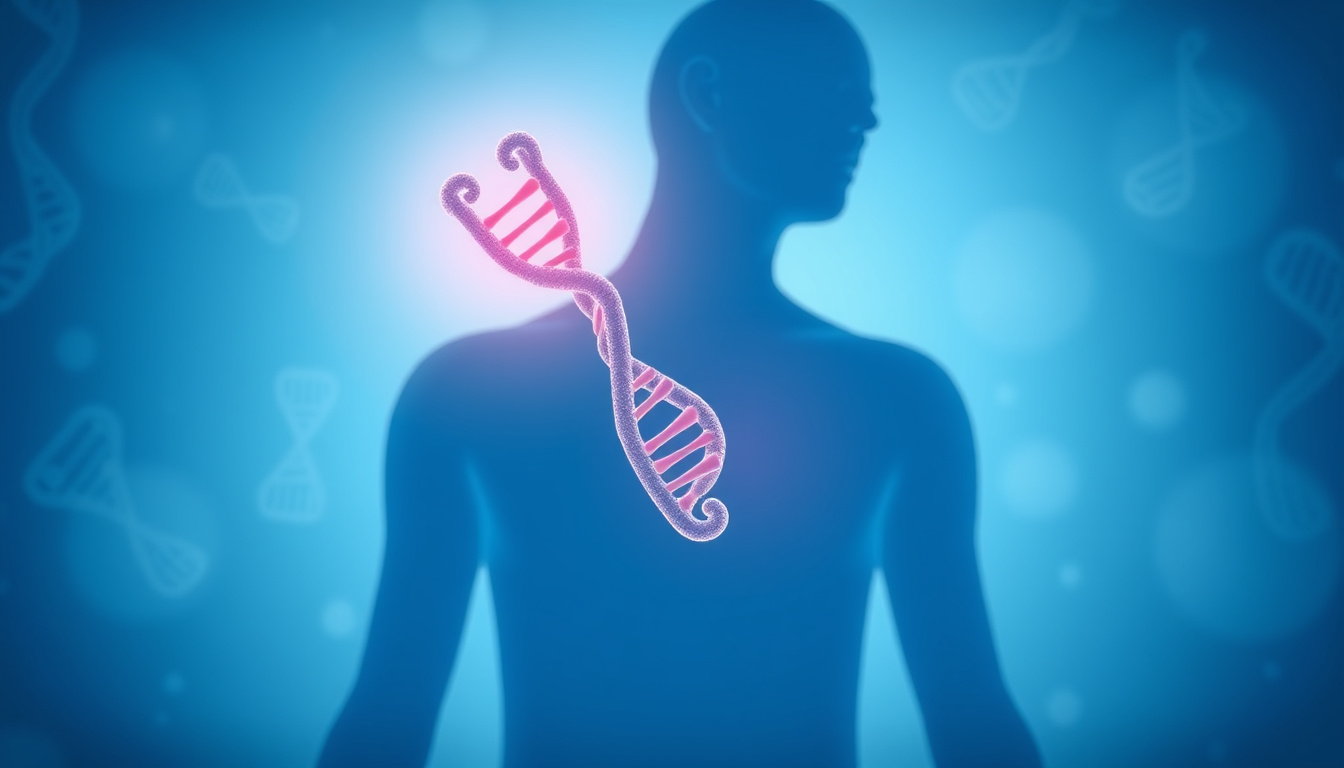
Down’s syndrome, also known as trisomy 21, is a genetic condition that occurs when a person is born with an extra copy of chromosome 21. This extra genetic material affects development and leads to characteristic physical features, some level of intellectual disability, and an increased likelihood of certain health conditions. It is one of the most common chromosomal variations found at birth, and it happens by chance, not because of anything parents did or did not do.
The condition takes its name from John Langdon Down, the British physician who first formally described it in 1866. More than 90 years later, in 1959, scientists identified the underlying cause: an additional chromosome 21. Since then, understanding of Down’s syndrome has grown enormously, leading to better medical care, longer life expectancy, and a far greater emphasis on inclusion and support.
Today, people with Down’s syndrome live richer, longer lives than at any point in history. Advances in medicine, education, and social attitudes have transformed outcomes. Yet many questions remain — about the cause, the range of possible symptoms, and the right way to talk about the condition. This guide aims to answer those questions using the latest available evidence.
What Is Down’s Syndrome and What Causes It?
What is it?
Genetic condition caused by an extra copy of chromosome 21 (trisomy 21).
Prevalence
Approximately 1 in 700 births worldwide.
Life Expectancy
Around 60 years today (up from 25 in the 1980s).
Key Characteristics
Intellectual disability, distinct facial features, increased risk of certain health conditions.
- Down syndrome is not a disease; it is a naturally occurring chromosomal variant, according to consensus from the WHO and medical associations.
- Life expectancy has tripled in the last 40 years due to improved medical care and social inclusion, as documented by the CDC and NIH.
- Most individuals with Down syndrome can lead fulfilling lives with appropriate support, as reported by the UK Down’s Syndrome Association.
- The chance of having a child with Down syndrome increases with maternal age, yet most babies with the condition are born to younger mothers, according to NHS and epidemiological data.
| Fact | Details | Source | Confidence |
|---|---|---|---|
| Cause | Extra copy of chromosome 21 (trisomy 21) in all or some cells. | NIH StatPearls, NHS | High (established) |
| Diagnosis | Prenatal screening (NIPT, ultrasound) and diagnostic tests (CVS, amniocentesis). Postnatal confirmation via karyotype. | CDC, Wikipedia | High |
| Life Expectancy | Median ~60 years; range often 50–70 depending on comorbidities. | CDC, various peer-reviewed studies | Moderate (varies by individual) |
| Incidence | ~1 in 700 live births globally. | WHO, CDC | High |
Down’s Syndrome Symptoms and Characteristics
The features of Down’s syndrome vary considerably from person to person. No two individuals share exactly the same combination of traits or level of ability. That variability is a key point emphasised by medical sources, including the Merck Manual and the NIH StatPearls review.
Common Physical Features
Many people with Down’s syndrome have recognisable physical characteristics. These often include low muscle tone — known medically as hypotonia — and distinctive craniofacial features. Because the condition affects development broadly, the body and brain may develop differently than in other children, as noted by the Children’s Hospital of Philadelphia.
Intellectual Disability
Intellectual disability is a hallmark of Down’s syndrome, but its severity varies widely. Some individuals have mild to moderate impairment, while others may have more significant challenges. The extra genetic material on chromosome 21 alters brain development, yet many people with Down’s syndrome learn, work, and participate in their communities with the right support.
Current medical sources state that no environmental factor or parental behaviour is known to cause Down syndrome. The condition arises from a random error in cell division, typically during egg or sperm formation. Nothing a parent did before or during pregnancy can cause it.
Associated Health Conditions
People with Down’s syndrome have an increased risk of certain health problems. Congenital heart defects are common and were once the leading cause of early death. Other associated conditions include hearing and vision issues, thyroid disorders, and gastrointestinal abnormalities. Regular medical check-ups and early intervention can help manage many of these risks.
What Is the Life Expectancy for Someone with Down’s Syndrome?
Life expectancy for people with Down’s syndrome has risen dramatically over the past several decades. In the 1980s, many individuals did not live beyond their mid-20s. Today, the median life expectancy is around 60 years, with some people living into their 70s. This improvement is largely attributed to better treatment of congenital heart defects and other medical complications.
What Drives These Improvements?
Better surgical techniques for heart defects, improved management of infections, and more attentive general healthcare have all played a role. The shift from institutional care to community-based support has also improved quality of life and longevity, according to the CDC and peer-reviewed studies.
Most individuals with Down’s syndrome can lead fulfilling, active lives well into older adulthood. Early intervention programmes, including speech therapy and physical therapy, help build skills. Many adults with Down’s syndrome hold jobs, live semi-independently, and maintain strong social connections.
Does Life Expectancy Vary?
Yes. The range is broad, typically from 50 to 70 years, depending on the presence and severity of associated health conditions. Access to quality healthcare and social support also influences outcomes. Because individual variability is high, life expectancy figures are estimates rather than certainties.
Down’s Syndrome or Down Syndrome: Which Term Is Correct?
Both terms are widely used, and neither is incorrect. The difference is largely geographic. In the United Kingdom, “Down’s syndrome” — with the possessive “s” — remains the standard usage in medical and official contexts, including the NHS and the UK Down’s Syndrome Association. In the United States, “Down syndrome” (without the possessive) is more common, as reflected in CDC and NIH materials.
Why the Difference?
The condition is named after John Langdon Down. In British English, it is common to use the possessive form for eponymous conditions — Parkinson’s disease, for example. In American English, the possessive has gradually been dropped for many conditions, though the person’s name is still recognised. Both forms refer to the same genetic condition, trisomy 21.
Regardless of the term you use, the underlying cause is always the same: an extra full or partial copy of chromosome 21. Neither term implies a milder or more severe form. The condition itself is identical; only the naming convention changes depending on where you live.
Which Term Should I Use?
If you are writing or speaking primarily for a UK audience, “Down’s syndrome” is the preferred and most familiar term. For a global or US audience, “Down syndrome” may be more widely recognised. The most respectful approach is to use the term preferred by the individual or community you are referring to, and to avoid outdated or derogatory language.
Key Milestones in Understanding Down Syndrome
- 1866 — John Langdon Down publishes a description of the condition, later named after him.
- 1959 — Jérôme Lejeune and colleagues discover the extra chromosome 21 (trisomy 21).
- 1970s — Introduction of prenatal screening through amniocentesis.
- 1980s — Life expectancy begins to rise dramatically due to better treatment of congenital heart defects.
- 2000 — Human Genome Project advances research into genotype-phenotype correlations.
- 2020s — Average life expectancy reaches approximately 60 years; emphasis shifts to inclusive education and employment.
For more on how genetic inheritance can affect royal lineages, see Charles II – The Tragic Story of Extreme Royal Inbreeding.
What Do We Know and What Remains Uncertain About Down’s Syndrome?
| Established Information | Information That Remains Unclear |
|---|---|
| Down syndrome is always caused by an extra copy of chromosome 21. | The exact reason for nondisjunction is unknown, though maternal age is a risk factor. |
| It is not inherited in the vast majority of cases (95% nondisjunction). | The range of intellectual disability and physical health issues varies widely — no two individuals are the same. |
| It is not caused by anything a parent did or did not do before or during pregnancy. | Future life expectancy trends depend on medical advances and access to care. |
This separation between what is firmly established and what remains uncertain helps avoid confusion and overgeneralisation. While the genetic cause is well understood, individual outcomes are not predictable with precision.
How Has Understanding and Care for Down’s Syndrome Changed Over Time?
Society’s approach to Down’s syndrome has shifted dramatically over the past 50 years. Until the late 20th century, many individuals were institutionalised and given limited educational or social opportunities. The movement toward inclusion — driven by advocacy, research, and legal changes — has changed that.
Early intervention programmes, such as speech therapy, physical therapy, and specialised education, now begin in infancy. These interventions help children with Down’s syndrome develop skills and build independence. Community-led organisations like the Down’s Syndrome Association and international events such as the Buddy Walk have created networks of support and awareness.
Ethical questions around prenatal testing remain, with debates about termination rates and the value of diverse lives. These discussions are ongoing and sensitive, reflecting broader societal views on disability, choice, and inclusion. The tone in medical and advocacy circles today emphasises balanced information and respect for all families.
What Do Official Sources Say About Down’s Syndrome?
Down’s syndrome is when you’re born with an extra chromosome. You usually get an extra chromosome by chance, because of a change in the sperm or egg before you’re born.
NHS UK
Down syndrome is a genetic condition where a person is born with an extra chromosome. This can affect how their brain and body develop.
CDC
The Down’s Syndrome Association are here to support and walk along life’s journey with both old and young people living with Down’s Syndrome.
Down’s Syndrome Association
What Is the Bottom Line on Down’s Syndrome?
Down’s syndrome is a naturally occurring genetic variation caused by an extra copy of chromosome 21. It is not a disease, it is not caused by parental actions, and it is not something to be feared. With proper medical care, early intervention, and inclusive support, individuals with Down’s syndrome can expect long, fulfilling lives. For a real-world example of a public figure living with the condition, read the biography of Ruth Madeley – Biography, Career and Personal Life Facts.
Frequently Asked Questions About Down’s Syndrome
How common is Down syndrome?
About 1 in 700 babies is born with Down syndrome, making it the most common chromosomal condition worldwide.
Is Down syndrome inherited?
In most cases (about 95%), Down syndrome is not inherited. It is caused by a random error during cell division. The small remaining percentage (translocation) can be inherited.
How is Down syndrome diagnosed?
Diagnosis can occur before birth through prenatal screening (NIPT, ultrasound) and diagnostic tests (chorionic villus sampling, amniocentesis). After birth, a karyotype blood test confirms the presence of an extra chromosome 21.
Is there a cure for Down syndrome?
There is currently no cure. Treatment focuses on managing associated health conditions and providing supportive therapies, such as early intervention, education, speech therapy, and physical therapy.
Can Down syndrome be prevented?
There is no known way to prevent the chromosomal error that causes Down syndrome. Prenatal testing can identify a pregnancy with Down syndrome, allowing parents to make informed decisions.
What is the life expectancy for a person with Down syndrome?
Median life expectancy is around 60 years today, up from about 25 years in the 1980s. Many individuals live into their 70s, depending on associated health conditions and access to care.
Is it better to say Down syndrome or Down’s syndrome?
Both are correct. “Down’s syndrome” is more common in the UK, while “Down syndrome” is preferred in the US. They refer to the same condition.
Can cats have Down syndrome?
No. Down syndrome is a human genetic condition tied to chromosome 21. Cats have a different chromosome structure and do not develop trisomy 21 as humans do.
What causes the extra chromosome in Down syndrome?
In about 95% of cases, it is caused by meiotic nondisjunction — a random error during the formation of the egg or sperm that results in an extra copy of chromosome 21.
Are there different types of Down syndrome?
Yes. Free trisomy 21 (nondisjunction) accounts for about 95% of cases. Translocation and mosaicism are rarer forms that involve different genetic mechanisms.

Olivia Hartley is Business & Economy Correspondent at DailyCity.co.uk, reporting on the city economy, property, retail, hospitality and employment.