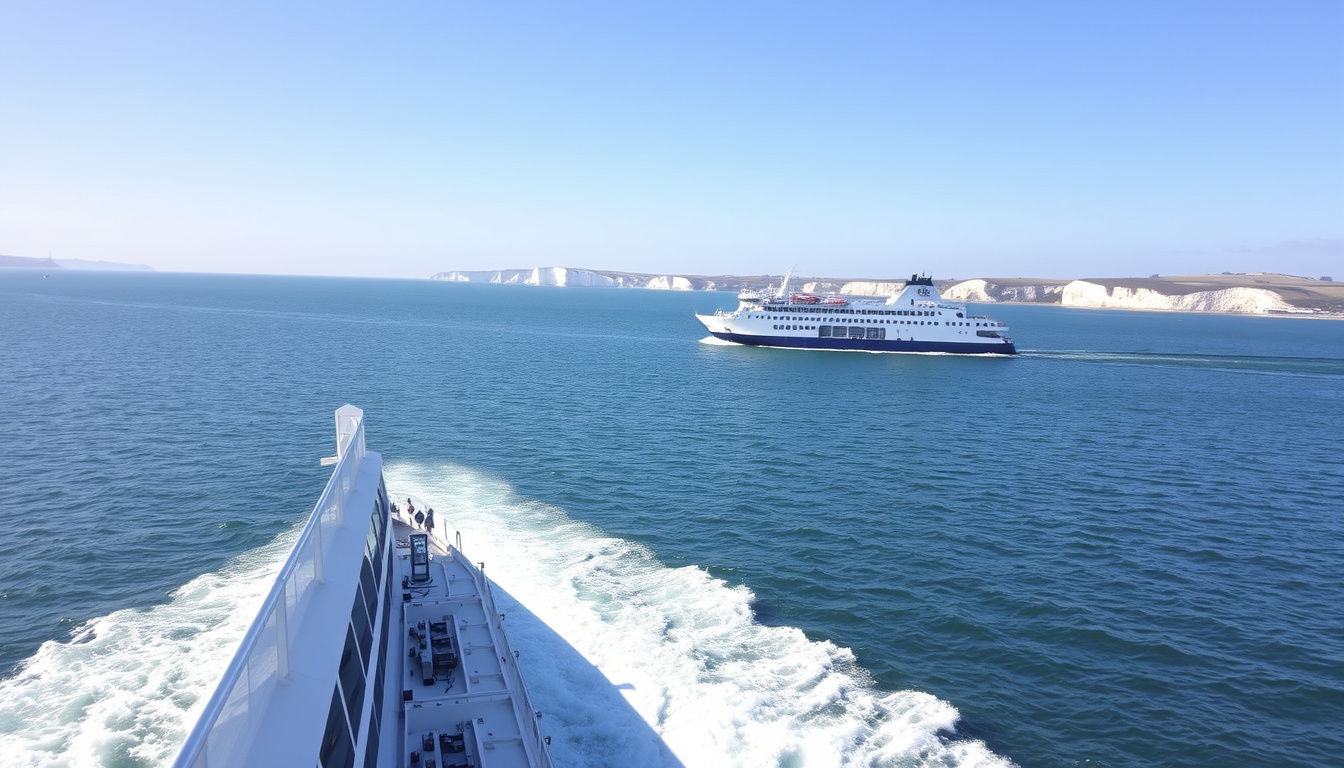
Ferry travel from the UK to France remains one of the most popular ways to cross the English Channel, offering flexibility for passengers, vehicles, and freight alike. With over 1,200 weekly sailings connecting 35 UK ports to destinations across France, the ferry network serves millions of travellers each year. This guide provides essential information on routes, operators, pricing, and practical considerations for planning your crossing.
Whether you are travelling for business or leisure, understanding the available options can significantly impact your journey experience and budget. From the quick 90-minute crossing at Dover-Calais to the longer overnight routes from Portsmouth or Plymouth, each route offers distinct advantages depending on your destination and travel preferences.
What are the main ferry routes from UK to France?
The Dover to Calais corridor stands as the busiest ferry route in Europe, handling approximately 210 weekly sailings and serving as the primary choice for most travellers crossing the Channel. This route offers the shortest crossing time at just 90 minutes, making it ideal for day trips, short breaks, and those seeking maximum convenience. Multiple operators compete on this route, which generally results in competitive pricing and frequent departure options throughout the day.
Beyond the Dover-Calais route, several other crossings provide valuable connections to France from UK ports. Portsmouth serves as a major hub for Brittany Ferries, offering routes to Caen, Saint-Malo, Cherbourg, and Le Havre. These longer crossings, ranging from four to eight hours, often appeal to holidaymakers heading to Normandy, Brittany, or southwestern France, as they can reduce driving time upon arrival.
Additional routes include Plymouth to Roscoff (approximately 5 hours), Newhaven to Dieppe (around 4 hours 20 minutes), and Poole to Cherbourg. Each route connects different regions of the UK with corresponding French destinations, providing travellers with options that may better suit their final holiday location or departure point convenience.
Up to 1,226 ferries operate weekly to France across 35 UK ports, operated by 12 ferry companies. The extensive network means options exist for virtually every travel plan, though availability varies significantly by season.
Key Insights for Route Selection
- Dover to Calais offers the fastest crossings at 90 minutes with the highest frequency of sailings
- Brittany Ferries routes from Portsmouth and Plymouth suit travellers heading to western France
- Off-peak sailings on less popular routes often have better availability and lower prices
- Ferry timetables vary seasonally and may shift by up to one hour due to tidal conditions
- Connecting ports like Newhaven and Poole serve specific regional routes with moderate crossing times
- Foot passengers can access routes that may have limited vehicle capacity during peak periods
| Route | Operator(s) | Duration | Weekly Sailings | Starting Price |
|---|---|---|---|---|
| Dover to Calais | P&O Ferries, Irish Ferries, DFDS | 90 min – 1hr 40min | 210 | From £18 |
| Dover to Dunkirk | DFDS Seaways | ~2 hours | 63 | From £22 |
| Portsmouth to Caen | Brittany Ferries | ~6 hours 15 min | Varies | From £50 |
| Plymouth to Roscoff | Brittany Ferries | ~5 hours | Varies | From £45 |
| Newhaven to Dieppe | Brittany Ferries | ~4 hours 20 min | Varies | From £30 |
How much do ferries from UK to France cost?
Ferry prices between the UK and France vary considerably based on multiple factors including route, season, booking advance time, and whether you are travelling as a foot passenger or with a vehicle. Understanding these variables helps travellers secure the best possible rates for their crossing.
Foot passenger fares represent the most affordable option across all routes. The Dover to Calais crossing offers the lowest entry point, with some sailings available from £18 to £21 when booked well in advance. Dover to Dunkirk starts from approximately £22, while the Newhaven to Dieppe route begins around £30 for foot passengers. These fares typically apply to standard deck passage rather than cabin accommodation.
Vehicle crossings command significantly higher prices, reflecting the additional space and operational requirements. A standard car crossing on Dover to Calais can range from £70 to £100 for a one-way journey, with some peak-time bookings reaching £394 depending on the operator and ticket type. The average price for this route sits around £168 according to available booking data.
Longer routes naturally reflect their extended crossing times and operational costs. Portsmouth to Caen and Newhaven to Dieppe represent the premium end of the pricing spectrum, with fares corresponding to the additional travel time and onboard amenities offered on these crossings. For those travelling from France to the UK, foot passenger fares on short crossings like Calais-Dover typically start around £30 to €35, while car tickets range between £70 and €80 and £100 to €115.
Advance booking consistently delivers the lowest fares across all operators. Off-season travel between October and March typically offers better deals compared to peak summer periods. Comparing prices across multiple operators through booking platforms can reveal significant savings, particularly for vehicle crossings.
Factors Affecting Ferry Prices
Seasonal demand represents the most significant price determinant, with school holidays, summer months, and bank holidays consistently driving fares to their highest levels. Easter, the summer vacation period, and Christmas/New Year typically see premium pricing across all routes, especially on popular crossings like Dover to Calais.
Booking timing proves crucial for securing competitive rates. Ferries operating on the Dover to Calais route, for example, have been documented with fares starting from £18 to £21 when booked sufficiently in advance. Last-minute bookings rarely secure these entry-level prices and may face limited availability during busy periods.
Vehicle type and size affect pricing for car and passenger tickets. Some operators charge based on vehicle length rather than a flat car fee, meaning smaller vehicles may qualify for reduced rates. Additional extras such as cabins, pet travel, and premium seating contribute to the total journey cost beyond the base fare.
How long does the ferry crossing take?
Crossing times between the UK and France vary substantially depending on the chosen route, ranging from the quick 90-minute hop across the narrowest part of the Channel to overnight journeys spanning several hours. The shortest route, Dover to Calais, typically requires 90 minutes to one hour 40 minutes depending on the operator and specific sailing conditions.
Irish Ferries and P&O Ferries vessels complete the Dover to Calais crossing in approximately 1 hour 30 minutes, while DFDS Seaways sailings take slightly longer at around 1 hour 40 minutes. These minor differences reflect variations in vessel speed and operational procedures rather than distance covered.
Crossing Times by Route
The Dover to Dunkirk route extends the crossing time to approximately two hours, offering an alternative for those seeking to avoid the busier Dover port area while potentially accessing different French road networks. This route operated by DFDS Seaways provides 63 weekly sailings and connects with the Dunkirk region of northern France.
Longer routes from Portsmouth and Plymouth serve travellers heading to western and southwestern France destinations. The Portsmouth to Caen crossing takes approximately 6 hours 15 minutes, while Plymouth to Roscoff requires around 5 hours. The Saint-Malo to Plymouth route represents the longest option at 5 to 8 hours, with tidal conditions and weather potentially affecting actual crossing times.
The Newhaven to Dieppe route requires approximately 4 hours 20 minutes of sailing time, positioning it as a mid-length option that suits travellers heading to Normandy. These crossing times represent approximate durations and may vary based on sea conditions, tidal variations, and vessel specifications.
Which ferry operators serve UK to France routes?
Three primary operators dominate the short Channel crossings between Dover and Calais, each offering distinct services and onboard experiences. Understanding their differences helps travellers select the most suitable option for their needs and preferences.
P&O Ferries maintains an exclusive presence on the Dover to Calais route, operating the largest fleet of passenger ferries on this single corridor. The company offers extensive daily sailings with facilities including restaurants, lounges, and retail options aboard their vessels. Irish Ferries provides approximately 10 daily crossings on the same route, competing directly with P&O and DFDS for Channel traffic.
DFDS Seaways operates on both Dover to Calais and Dover to Dunkirk routes, offering travellers flexibility in their French entry point. The company provides frequent services throughout the day and night, with the first departures from Dover departing at 00:15 and last sailings at 23:59, enabling round-the-clock crossing options.
Brittany Ferries specialises in the longer cross-Channel routes departing from Portsmouth, Plymouth, Poole, and Newhaven. The company offers routes to Caen, Saint-Malo, Cherbourg, Le Havre, and Roscoff, with vessels equipped for overnight travel including cabin accommodations and dining facilities. Their routes particularly suit holidaymakers travelling to Normandy, Brittany, and southwest France.
Ferry timetables vary seasonally and may shift by up to one hour due to tidal conditions. It is advisable to check current schedules directly with operators or through authorised booking platforms before finalising travel plans, particularly for crossings outside the peak summer season.
Comparing Major Operators
P&O Ferries distinguishes itself through its dedicated focus on the Dover to Calais corridor, meaning all operational resources and service development concentrate on this single route. Their vessels feature family-friendly facilities and competitive pricing structures that appeal to both foot passengers and vehicle travellers.
Irish Ferries positions itself as a premium option on the Dover to Calais route, offering enhanced onboard amenities and service levels. The company’s approximately 10 daily crossings provide reasonable frequency for spontaneous travel decisions, though advance booking remains advisable during peak periods.
Brittany Ferries occupies a unique position serving the longer routes that other operators do not cover. Their vessels often feature French-inspired dining options and cabin accommodations suitable for overnight crossings. The company has established strong connections with popular French holiday regions, making it a preferred choice for those whose journeys continue beyond the immediate Channel crossing.
What do you need for the ferry to France?
Travellers crossing to France by ferry should ensure they possess appropriate documentation for international travel. Since the United Kingdom’s departure from the European Union, standard requirements apply that differ from pre-Brexit arrangements. Valid passport documentation remains essential for all passengers entering France, regardless of age.
Vehicle travellers should verify that their driving licence remains valid for international use and consider obtaining an International Driving Permit if required for their specific circumstances. Vehicle insurance documentation should include appropriate cover for continental European travel, and the vehicle’s registration documents must be carried during the crossing.
Passenger Requirements
All passengers require valid passport documentation for boarding international ferries to France. The search results provided do not contain detailed information about specific post-Brexit passport validity periods or entry requirements, making it advisable to consult official government travel advisories for current regulations before travel.
Pet owners should note that pet travel schemes apply to ferry crossings, with appropriate documentation, microchipping, and vaccination requirements that must be satisfied before travel. These regulations may have evolved following Brexit, and checking current requirements with official sources ensures compliance with French entry conditions.
Sample Timetable: Dover to Calais Schedule
The Dover to Calais route operates with frequent daily departures from early morning until late evening. First sailings depart at 00:15, with the final crossing of the day at 23:59, providing near-continuous service for travellers with varying schedules.
Sample sailings for a typical Friday demonstrate the frequency available throughout the day. Irish Ferries departures include crossings at 07:50 (arriving 09:20), 10:15 (arriving 11:45), 14:55 (arriving 16:25), and 17:20 (arriving 18:50). P&O Ferries operates crossings at 08:15 (arriving 09:45) and 15:05 (arriving 16:35). These sample times illustrate the approximately hourly departures available during daytime hours.
- 00:15 – First departure of the day (varies by operator)
- 07:50 – Irish Ferries morning crossing
- 08:15 – P&O Ferries morning crossing
- 10:15 – Irish Ferries late morning crossing
- 14:55 – Irish Ferries afternoon crossing
- 15:05 – P&O Ferries afternoon crossing
- 17:20 – Irish Ferries early evening crossing
- 23:59 – Final departure of the day
Peak travel periods may see additional sailings beyond this typical schedule, while off-peak times might have reduced frequency. Checking real-time availability through booking platforms or operator websites provides the most accurate departure information for specific travel dates.
What information is confirmed versus uncertain?
| Established Information | Information Requiring Verification |
|---|---|
| Dover to Calais: 210 weekly sailings, 90 min to 1hr 40min duration | Specific post-Brexit passport validity period requirements |
| Dover to Dunkirk: ~2 hours, 63 weekly sailings | Detailed 2025 pricing projections |
| Starting prices: £18-£21 (Dover Calais), £22 (Dover Dunkirk), £30 (Newhaven Dieppe) | Real-time availability during peak periods |
| 1,226 weekly ferries across 35 UK ports operated by 12 companies | Current COVID-related travel restrictions or health requirements |
| P&O Ferries, Irish Ferries, DFDS Seaways operate Dover to Calais | Specific seasonal timetable adjustments for upcoming travel periods |
| Brittany Ferries operates Portsmouth and Plymouth routes | Changes to pet travel documentation requirements |
For comprehensive information on current border documentation requirements and future pricing developments, consulting official government travel advisories and individual ferry operator websites provides the most reliable and up-to-date guidance for travel planning.
Context: Ferry Travel in the Channel Crossings Market
Ferry travel between the UK and France represents a well-established transportation sector with decades of operational history. The English Channel crossing market includes both ferry services and the Eurotunnel rail option, each appealing to different traveller preferences and circumstances. Ferries offer the unique advantage of bringing vehicles aboard, making them essential for holidaymakers transporting cars, motorcycles, or pets to continental Europe.
The competitive nature of the Dover to Calais corridor, served by three major operators, has historically driven service improvements and competitive pricing. This rivalry benefits travellers through more frequent sailings, varied fare options, and ongoing investment in vessel quality and passenger facilities.
Brittany Ferries’ longer routes fill an important niche for travellers whose French destinations lie in western regions. By accepting longer crossing times, passengers can reduce total journey length when driving from ports closer to their final destination, potentially offsetting the longer sea passage with shorter road travel in France.
Sources and Further Reading
“Ferry prices vary significantly based on route, season, vehicle type, and advance booking.” – Direct Ferries booking data
“Foot passenger fares are generally cheaper than vehicle tickets.” – Industry pricing analysis
Information in this guide draws from operator websites, booking platforms, and industry sources. Timetable data reflects typical schedules and may vary seasonally. For the most current information, travellers should consult the official websites of P&O Ferries, DFDS Seaways, Brittany Ferries, and authorised booking platforms before finalising travel plans.
Summary
Ferry travel from the UK to France offers diverse options spanning quick 90-minute Channel crossings to leisurely multi-hour journeys across the western seaboard. The Dover to Calais route dominates through sheer volume and convenience, while Portsmouth and Plymouth departures serve travellers heading to western France destinations. Prices range from budget-friendly foot passenger fares starting around £18 to vehicle crossings exceeding £300 during peak periods. Multiple operators compete across major routes, providing travellers with choices in service levels, schedules, and pricing structures. For those planning visits to cultural destinations across the Channel, options like the Kelvingrove Art Gallery and Museum in Glasgow or seeking UK travel resources like the Hungry Horse pub locations, ferry travel provides accessible European connections throughout the year.
Frequently Asked Questions
What is the cheapest ferry to France from UK?
Foot passenger fares on the Dover to Calais route start from approximately £18 to £21 when booked well in advance. Vehicle crossings start from around £70 but can exceed £300 during peak periods. Advance booking and off-season travel consistently deliver the lowest fares.
How long does the shortest ferry crossing to France take?
The Dover to Calais crossing represents the shortest option at 90 minutes to 1 hour 40 minutes depending on the operator. Irish Ferries and P&O Ferries complete the crossing in 1 hour 30 minutes, while DFDS Seaways takes approximately 1 hour 40 minutes.
Which ports in the UK have ferries to France?
UK ports with ferry services to France include Dover, Portsmouth, Plymouth, Poole, Newhaven, and others. These connect to French destinations including Calais, Dunkirk, Caen, Cherbourg, Saint-Malo, Le Havre, Dieppe, and Roscoff across 35 ports in total.
Can you take a car on the ferry to France?
Yes, all major ferry operators serving UK to France routes accommodate vehicles. Car tickets are priced separately from passenger fares and typically range from £70 to £400 depending on route, operator, and travel period. Advance booking is strongly recommended for vehicle travel.
Do you need a passport for the ferry to France?
Yes, valid passport documentation is required for all passengers boarding ferries to France following Brexit. travellers should verify current entry requirements with official government travel advisories as regulations may have evolved since previous travel periods.
What is the best time to book a ferry to France?
Booking well in advance consistently yields the lowest fares. Off-season travel between October and March offers better deals compared to peak summer months. Last-minute bookings rarely secure entry-level prices and may face limited availability.
Which ferry operators serve UK to France routes?
P&O Ferries, Irish Ferries, and DFDS Seaways operate short Channel crossings on the Dover to Calais and Dover to Dunkirk routes. Brittany Ferries serves longer routes from Portsmouth, Plymouth, Poole, and Newhaven to various French ports.

Daniel Mercer is Urban Affairs Editor at DailyCity.co.uk, covering councils, City Hall, planning, transport and infrastructure across London and major UK cities.