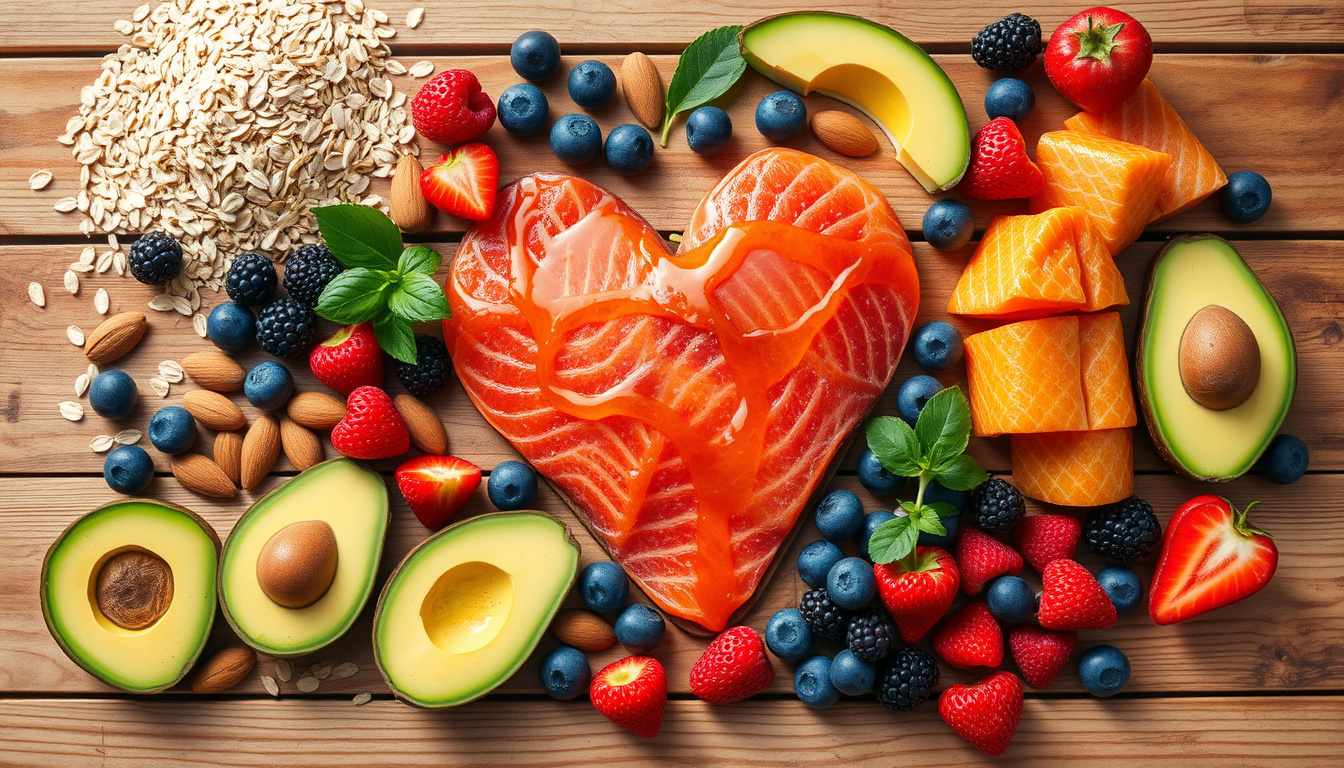
High cholesterol affects millions of people worldwide, increasing the risk of heart disease and stroke. While medication can help manage this condition, dietary changes remain one of the most effective first-line approaches. Research consistently shows that specific foods can meaningfully reduce LDL (“bad”) cholesterol levels when consumed regularly as part of a balanced eating pattern.
Understanding which foods work, which to limit, and how long meaningful changes take can empower individuals to take control of their cardiovascular health. This guide examines the evidence behind cholesterol-lowering eating and provides practical steps backed by health authorities including the NHS, Mayo Clinic, and Harvard Health.
What Are the Best Foods to Lower Cholesterol?
Multiple health organisations agree that certain food categories consistently demonstrate cholesterol-lowering effects. The mechanism typically involves soluble fiber binding cholesterol in the digestive system, healthy fats replacing saturated varieties, or plant compounds that interfere with cholesterol absorption.
High-Fiber Grains
Oats and barley contain beta-glucan, a soluble fiber that reduces LDL cholesterol absorption.
Legumes
Beans, lentils, and chickpeas provide plant protein and fiber that limits cholesterol uptake.
Nuts & Seeds
Almonds, walnuts, and flaxseed offer healthy monounsaturated fats that improve lipid profiles.
Fatty Fish
Salmon, mackerel, and sardines deliver omega-3 fatty acids that lower triglycerides and reduce inflammation.
Key Insights on Cholesterol-Lowering Foods
- Soluble fiber binds bile acids in the intestine, forcing the body to use circulating cholesterol to produce more bile, effectively lowering LDL levels.
- Unsaturated fats from plant sources help raise HDL (“good”) cholesterol while reducing harmful LDL particles.
- Plant sterols and stanols found in fortified foods interfere with cholesterol absorption in the gut.
- Omega-3 fatty acids in fatty fish primarily target triglycerides rather than LDL directly.
- Consistency matters more than dramatic single meals—daily dietary patterns drive results over weeks and months.
- Combining multiple effective food categories produces greater cholesterol reduction than relying on single items.
| Food Type | Examples | Primary Benefit | Recommended Intake |
|---|---|---|---|
| Oats & Barley | Oatmeal, oat bran, porridge | Beta-glucan fiber lowers LDL | Daily serving |
| Legumes | Beans, lentils, chickpeas | Prevents cholesterol absorption | 2+ meals weekly |
| Nuts | Almonds, walnuts, pistachios | Raises HDL, reduces LDL | Handful daily |
| Fatty Fish | Salmon, mackerel, sardines | Omega-3s lower triglycerides | 2 servings weekly |
| Avocados | Fresh, in salads | Monounsaturated fats improve HDL | 2 servings weekly |
| Fruits | Apples, pears, berries | Soluble fiber and antioxidants | 2-3 servings daily |
| Vegetables | Carrots, Brussels sprouts, eggplant | Insoluble fiber and nutrients | Multiple servings daily |
| Soy Products | Tofu, tempeh | Modest LDL reduction | Several weekly servings |
Health authorities recommend consuming 10 to 25 grams of soluble fiber daily from oats, beans, and fruits for noticeable LDL reductions. Most people currently fall short of this target.
What Foods Should You Avoid with High Cholesterol?
Equally important as adding beneficial foods is limiting those that raise cholesterol levels or contribute to cardiovascular damage. The NHS advises keeping dietary cholesterol below 200 mg daily while reducing saturated and trans fat consumption significantly.
Foods That Worsen Cholesterol Levels
- Fatty cuts of meat including sausages, meat pies, and processed meats contain high saturated fat content.
- Dairy fats such as butter, lard, ghee, cream, and full-fat cheese contribute substantial saturated fats.
- Organ meats including liver rank among the highest dietary cholesterol sources.
- Shellfish like shrimp provide cholesterol though research suggests their impact differs from saturated fats.
- Baked goods including cakes, biscuits, and pastries often contain trans fats from hydrogenated oils.
- Coconut and palm oil despite being plant-based, contain highly saturated fats that raise LDL cholesterol.
The American Heart Association recommends replacing solid fats with liquid vegetable oils when cooking. Olive oil, rapeseed oil, and sunflower oil provide unsaturated fats that support healthier lipid profiles compared to butter or lard.
Understanding what foods contain cholesterol helps make informed choices. While some cholesterol from food does enter circulation, saturated fat consumption has a larger impact on blood cholesterol levels for most people. Learning to identify hidden sources in processed foods supports better management.
What Reduces Cholesterol Quickly and Naturally?
The question of how rapidly cholesterol responds to dietary changes reflects a common concern among those newly diagnosed. Research indicates that certain interventions can produce measurable changes within weeks, though individual responses vary based on baseline levels, genetics, and overall diet quality.
Timeline for Dietary Changes
Fat Substitutions Begin
Replacing butter with olive oil and choosing lean proteins marks the initial phase. Blood cholesterol does not change immediately, but dietary patterns start shifting toward healthier patterns.
Fiber Intake Increases
Adding oatmeal for breakfast, incorporating beans into lunches, and choosing whole grains rather than refined options allows soluble fiber to begin binding cholesterol in the digestive tract.
Full Dietary Impact
Studies show that consistent adoption of cholesterol-lowering dietary patterns over 12 weeks produces the most significant LDL reductions. This timeline aligns with what the Mayo Clinic describes as achievable through sustained dietary commitment.
Those wondering how to reduce cholesterol in 7 days should understand that meaningful LDL reduction rarely occurs that quickly through diet alone. However, adopting a heart-healthy eating pattern immediately begins supporting cardiovascular health regardless of immediate blood test results. For those asking what reduces cholesterol quickly naturally, the honest answer involves setting realistic expectations—significant dietary impact typically requires several weeks of consistent effort.
Clinical response to dietary changes varies significantly between individuals. Those with familial hypercholesterolemia or very high baseline levels may require medication alongside dietary modifications. Medical supervision ensures appropriate management.
Do Vitamins Help Lower Cholesterol?
Beyond whole foods, questions arise about isolated vitamins and supplements for cholesterol management. Health authorities generally emphasise food sources over pills, though certain nutrients warrant attention for those with dietary restrictions or specific deficiencies.
Evidence on Specific Nutrients
Research on vitamins to lower cholesterol produces mixed results. Omega-3 supplements may benefit those who do not eat fatty fish, though dietary sources remain preferred. Niacin (vitamin B3) can raise HDL but provides no proven advantage over dietary changes for most people. Soluble fiber supplements offer a concentrated alternative when food sources prove difficult to maintain.
Plant sterol-fortified foods provide another option. These products deliver 2 to 3 grams of plant sterols daily, a dose shown to reduce LDL absorption. Margarine, yogurt drinks, and orange juice fortified with sterols appear in many cholesterol-lowering eating plans.
Consulting a healthcare provider before starting supplements ensures appropriate use. Some vitamins interact with prescribed medications, and blood tests can identify whether deficiencies contribute to elevated cholesterol levels.
What the Science Says: Certainty and Gaps
Established Evidence
- Soluble fiber from oats and beans consistently lowers LDL cholesterol in clinical studies.
- Replacing saturated fats with unsaturated fats improves lipid profiles.
- Fatty fish consumption reduces triglycerides in those with elevated levels.
- Sustained dietary changes over weeks produce measurable cholesterol improvements.
- Plant sterols in fortified foods reduce LDL absorption measurably.
Areas of Uncertainty
- Precise timelines for individual responses remain unpredictable.
- Specific seven-day cholesterol reduction claims lack robust clinical support.
- Vitamin supplements show limited consistent benefit beyond addressing deficiencies.
- Optimal combinations or ratios of cholesterol-lowering foods require more study.
- Genetic factors influencing dietary response are not fully characterised.
How These Foods Work in Your Body
Understanding the mechanism behind cholesterol-lowering foods helps explain why dietary choices matter. LDL cholesterol travels through the bloodstream and can accumulate in artery walls, forming plaques that narrow blood vessels. HDL cholesterol performs the opposite function, collecting excess cholesterol and transporting it to the liver for processing.
Soluble fiber acts like a sponge in the digestive tract, binding bile acids that contain cholesterol. This binding forces the liver to pull cholesterol from the bloodstream to produce new bile acids, effectively lowering circulating LDL levels. This process explains why gradually increasing fiber intake produces better results than attempting large increases immediately.
Unsaturated fats improve the lipid profile by reducing LDL oxidation and inflammation. When saturated fats dominate the diet, LDL particles become more prone to oxidative damage that accelerates arterial plaque formation. Swapping these fats for olive oil, nuts, and fish creates a less inflammatory environment that supports cardiovascular health.
Expert Perspectives on Heart-Healthy Eating
“A heart-healthy diet emphasises fruits, vegetables, whole grains, and lean proteins while limiting saturated fat and cholesterol. Making these changes can lower LDL cholesterol by significant amounts.”
“Cutting back on saturated fats is the most important dietary change for lowering blood cholesterol. Choose lean cuts of meat, low-fat dairy, and cooking oils made from vegetables.”
Getting Started: Action Steps
Those preparing to adopt cholesterol-lowering eating patterns can start with manageable changes rather than overhauling their entire diet at once. Swapping one saturated fat source for a healthier alternative builds momentum toward lasting change.
- Replace butter with olive oil when cooking and add herbs for flavour rather than relying on high-fat sauces.
- Choose oats or bran cereal for breakfast instead of pastries or sugary cereals.
- Incorporate two legume-based meals weekly, such as bean soups or lentil curries.
- Snack on a handful of almonds or walnuts instead of crisps or biscuits.
- Add one fatty fish serving weekly, perhaps starting with canned salmon in salads or sandwiches.
- Include an avocado serving several times weekly, whether sliced in salads or as guacamole.
Those taking medications should discuss dietary changes with their doctor. Certain foods interact with common cholesterol medications, and professional guidance ensures safe, coordinated management. Regular monitoring through blood tests confirms whether dietary changes achieve target lipid levels.
Summary
Managing cholesterol through diet involves both adding protective foods and removing harmful ones. Oats, beans, nuts, fatty fish, and fruits consistently demonstrate cholesterol-lowering effects through mechanisms including soluble fiber binding, healthy fat replacement, and plant compound absorption. Limiting fatty meats, full-fat dairy, processed foods, and tropical oils addresses the other side of the equation. Sustainable improvement typically requires several weeks of consistent dietary commitment rather than quick fixes. Health authorities including the NHS, Mayo Clinic, and Harvard Health agree that whole food dietary patterns produce meaningful results alongside or before considering medication.
For those wondering about side effects of amlodipine or other cholesterol medications, understanding both pharmaceutical options and lifestyle approaches provides the complete picture needed for informed decisions.
Frequently Asked Questions
How many foods can actually lower cholesterol?
Research identifies dozens of foods with cholesterol-lowering potential. The most evidence-backed include oats, barley, beans, lentils, almonds, walnuts, avocados, fatty fish, and several fruits and vegetables. A comprehensive approach combines multiple food categories rather than relying on single items.
Can I lower cholesterol in just seven days?
Significant cholesterol reduction rarely occurs within seven days through diet alone. Most clinical studies show meaningful LDL reductions after three to twelve weeks of consistent dietary changes. Quick improvements are unlikely, but beginning healthy eating immediately starts the process.
What foods contain the most cholesterol?
Organ meats, particularly liver, contain the highest dietary cholesterol. Egg yolks, shrimp, and full-fat dairy products also rank among concentrated sources. Health guidelines suggest limiting daily dietary cholesterol to under 200 mg.
Are there NHS recipes specifically for lowering cholesterol?
The NHS provides general dietary guidance rather than specific cholesterol-lowering recipes. Their advice emphasises oily fish, olive oil, wholegrains, nuts, and abundant fruits and vegetables—eating patterns align with plant-based approaches known to support heart health.
Which vitamins actually help lower cholesterol?
Vitamin supplements show limited consistent benefit for cholesterol management. Health authorities recommend prioritising whole food sources of omega-3s and fiber over isolated vitamins. Anyone considering supplements should consult their healthcare provider first.
Can I check if eggs are good before eating them?
Understanding egg freshness matters since eggs rank among higher-cholesterol foods. How to check if eggs are good involves visual inspection and water tests for those concerned about freshness and quality.

Daniel Mercer is Urban Affairs Editor at DailyCity.co.uk, covering councils, City Hall, planning, transport and infrastructure across London and major UK cities.