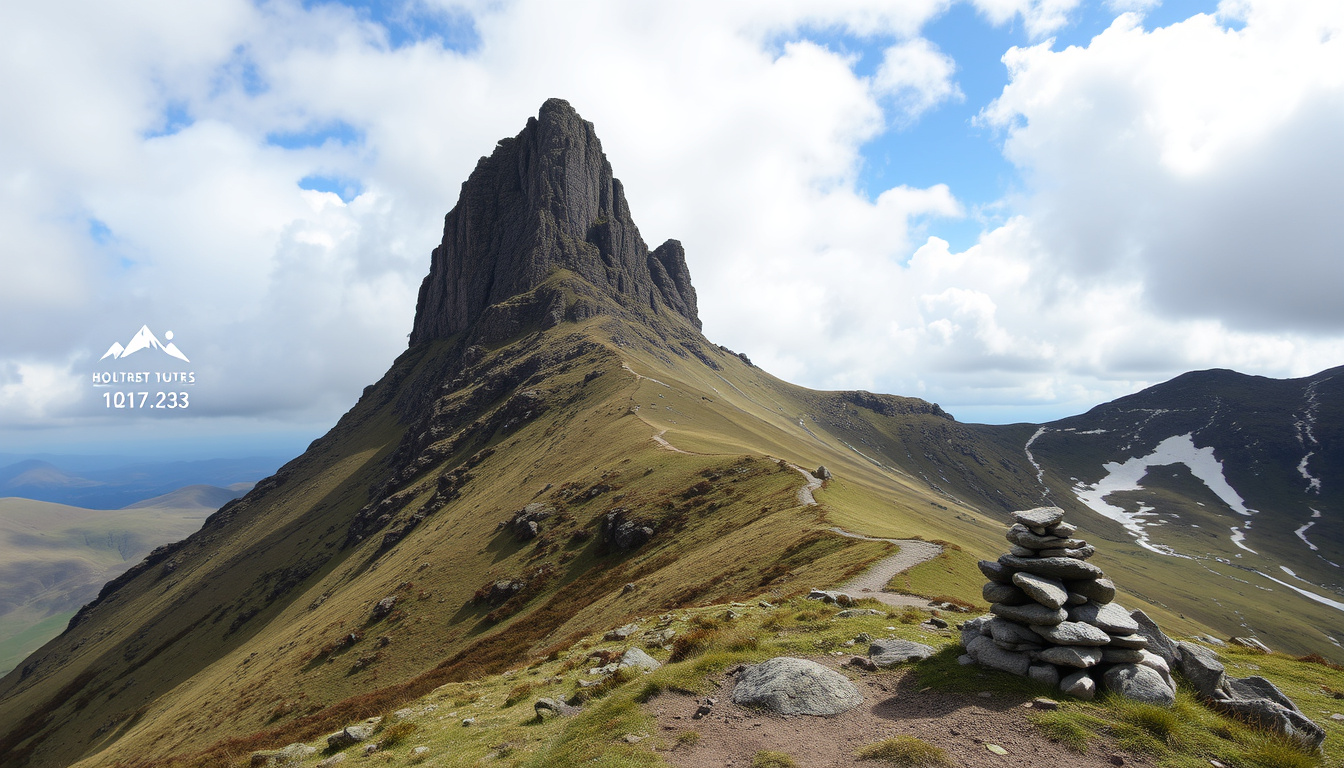

Rising to 1,345 metres above sea level, Ben Nevis is the highest mountain in the British Isles and a landmark that draws tens of thousands of walkers each year. Located near the town of Fort William in the Scottish Highlands, it is both a challenging hiking destination and a symbol of Scotland’s natural heritage. This article provides factual information about its height, routes, safety considerations, and nearby attractions, based on official sources and expert guidance.
For many visitors, climbing Ben Nevis is a once-in-a-lifetime experience. The mountain sees approximately 150,000 to 160,000 ascents annually, a figure that speaks to its enduring appeal. Yet the climb is not a simple stroll: it demands fitness, preparation, and respect for the unpredictable mountain weather. Understanding the key facts before setting out can make the difference between a memorable summit and a dangerous ordeal.
This article is intended as a comprehensive reference for anyone planning to climb or visit Ben Nevis. All information has been drawn from official mountaineering organisations, tourism boards, and experienced guides. Where figures or statistics are uncertain, that uncertainty is noted. The goal is to equip readers with the facts they need to make informed decisions.
How Tall is Ben Nevis and Where is it Located?
Ben Nevis stands at 1,345 metres (4,413 feet) according to the most commonly cited measurements, though some sources give a rounded figure of 1,340–1,345 m depending on the reference point. It is the highest mountain in the British Isles, located in the Lochaber area of the Scottish Highlands. The nearest town is Fort William, approximately two miles west of the summit.
Key insights at a glance
- Ben Nevis is the highest mountain in the British Isles, attracting over 150,000 climbers annually.
- The standard Mountain Path is the most popular route, but it requires proper preparation and reasonable fitness.
- Weather on the mountain can change rapidly; the average summit temperature is -0.5°C.
- Approximately 3–5 deaths occur per year, mostly due to slips, exposure, or falls. Exact numbers vary by source and year.
- Ben Nevis is a Munro – a Scottish mountain over 3,000 feet (about 914 m) – and is the highest of the 282 Munros.
| Fact | Value |
|---|---|
| Height (metric) | 1,345 m |
| Height (imperial) | 4,413 ft |
| Prominence | 1,345 m (highest in UK) |
| First known ascent | 1771 (by naturalist James Robertson; some sources say 1771 or 1774) |
| Munro classification | Yes |
| Location | Lochaber, Highland, Scotland |
| Nearest town | Fort William |
| Average climb time (Mountain Track) | 7–9 hours round trip |
| Distance (Mountain Track) | 16 km / 10 miles out-and-back |
| Total ascent (Mountain Track) | About 1,340 m |
What is the Best Route to Climb Ben Nevis?
For most walkers and beginners in good conditions, the best route is the Mountain Track, also known as the Tourist Track or Pony Track. It is the most straightforward and most popular path, starting at the visitor centre in Glen Nevis. The round trip typically takes between 6 and 9 hours, covering about 16 km with 1,340 metres of ascent.
How long does it take to climb Ben Nevis?
In normal summer conditions, common estimates for the Mountain Track range from 6 to 9 hours, depending on fitness, weather, and pace. One guide gives 7–9 hours for the 16 km out-and-back route. Winter conditions can significantly increase the time required.
Alternative routes and their difficulty
Ben Nevis offers several other routes for those seeking more challenge. The Càrn Mòr Dearg Arête (CMD Arête) is a much harder, longer ridge route that involves scrambling, strong navigation skills, and a head for heights. The Ledge Route is more technical than the Mountain Track but generally easier than CMD Arête; it can suit fit beginners in summer, but requires more mountaineering experience in winter. Tower Ridge is a serious climbing route that requires specialist rock-climbing equipment and considerable experience.
The Mountain Track is the recommended choice for first-time climbers and those with limited mountain experience. Always assess your fitness honestly and choose a route that matches your skill level. If you are unsure, consider joining a guided walk.
How many people climb Ben Nevis each year?
Approximately 150,000 to 160,000 people attempt the climb annually. This high number underscores the importance of careful planning and awareness of the mountain’s conditions.
How Dangerous is Ben Nevis? Understand the Risks
Ben Nevis is a serious mountain, and its dangers should not be underestimated. Even on the standard Mountain Track, conditions can become hazardous. The key risks are weather-related, alongside slips and falls on steep or icy terrain.
Weather conditions
Weather on Ben Nevis can be very different from conditions in Fort William or the Glen Nevis car park. Even in summer, the summit can be cold, wet, windy, and snowy. Mountain weather can deteriorate quickly, bringing strong winds, freezing temperatures, snow, and poor visibility. Multiple sources recommend checking a dedicated mountain weather forecast before starting and being prepared to turn back if conditions worsen.
For winter ascents or when snow and ice are present, crampons and winter clothing may be needed. Some routes become suitable only for experienced winter mountaineers. Beginners should avoid attempting Ben Nevis in winter conditions without proper equipment and training.
How many deaths occur on Ben Nevis annually?
The number of fatalities on Ben Nevis each year is often cited as approximately 3 to 5, but exact figures vary by source and year. The mountain has seen many accidents, particularly in areas such as Five Finger Gully and in snow near the Red Burn. Official statistics from mountain rescue teams and local authorities provide the most reliable data, but are not consistently summarised for the general public. The uncertainty around this statistic means that climbers should treat the mountain with caution regardless of reported numbers.
Best time to climb for safety
For most walkers, the best window is generally summer to early autumn. One guide identifies June to September as the best months for those with little mountain experience. Spring and autumn shoulder seasons can mean fewer crowds, but conditions are more changeable. Winter ascents should only be attempted with the right equipment, skills, and experience.
How Does Ben Nevis Compare to Snowdon?
Snowdon (Yr Wyddfa) in Wales is the highest mountain in England and Wales at 1,085 metres, making it 260 metres shorter than Ben Nevis. Ben Nevis is the tallest peak in the British Isles. While both mountains offer well-trodden paths and attract large numbers of walkers, Ben Nevis is generally considered a more demanding climb due to its greater height, longer ascent, and more severe weather conditions. The standard route on Snowdon (Llanberis Path) is about 9 miles round trip with approximately 975 metres of ascent. In comparison, the Mountain Track on Ben Nevis is longer (10 miles) and has more elevation gain (about 1,340 metres). Both require reasonable fitness and proper preparation, and both are subject to rapidly changing mountain weather.
Ben Nevis and Snowdon are often compared as the two highest peaks in the UK. However, Ben Nevis’s greater height and more extreme weather make it a more serious undertaking. Climbers who have completed Snowdon should still approach Ben Nevis with caution and respect.
What Amenities and Attractions are Near Ben Nevis?
Ben Nevis Visitor Centre
The Mountain Track starts at the visitor centre in Glen Nevis. The centre provides parking, information, and facilities for climbers. Mountaineering Scotland notes that ranger staff at the base can offer up-to-date information on mountain conditions. The nearest town, Fort William, offers accommodation, shops, and restaurants for visitors.
Ben Nevis Whisky Distillery
Ben Nevis is also the name of a well-known Highlands whisky distillery located in Fort William. This distillery is a separate entity from the mountain itself, but shares its name and is a popular tourist attraction in the area. The distillery produces single malt Scotch whisky and is owned by Nikka Whisky. Visitors can tour the facility and sample its products.
What is the History of Climbing Ben Nevis?
- 1771: First recorded ascent by naturalist James Robertson (some sources suggest 1771 or 1774).
- 1883: Ben Nevis Observatory opens on the summit; it operates until 1904.
- 1890s: Climbing tourism begins with the construction of paths and the pony track.
- 2000: Ben Nevis becomes part of the Ben Nevis and Glen Coe National Scenic Area.
- 2023: Approximate annual visitor count exceeds 150,000.
What Do We Know for Certain About Ben Nevis?
| Established information | Information that remains unclear |
|---|---|
| Height is exactly measured and widely accepted as 1,345 m. | Exact number of deaths per year varies by source; estimates of 3–5 are commonly cited but not officially consolidated. |
| Climbing time on the Mountain Track ranges 7–9 hours for average fitness. | Climbing time is highly variable depending on weather, fitness, and conditions. |
| Weather is unpredictable; a dedicated mountain forecast should be checked before climbing. | First ascent date is historically uncertain; 1771 is the most cited year but some records indicate 1774. |
Why is Ben Nevis So Popular?
Ben Nevis’s status as the highest mountain in the UK makes it an iconic landmark and a bucket-list destination for hikers. Its proximity to Fort William and accessibility via the Mountain Track draw a wide range of visitors, from experienced mountaineers to first-time hillwalkers. The mountain is also a key part of Scottish Munro-bagging culture: climbing all 282 Munros is a popular outdoor pursuit, and Ben Nevis is the most prominent of them.
The mountain’s cultural significance extends beyond climbing. It has been featured in films, literature, and media, and its name is used for a whisky and a gin produced locally. Environmental concerns, such as footpath erosion and the growing demand on mountain rescue services, are ongoing issues that local authorities and organisations like Mountaineering Scotland work to manage.
What Do Official Sources Say About Ben Nevis?
“Ben Nevis is the highest mountain in the British Isles and climbed by over 150,000 people every year.”
— bennevis.co.uk
“As the highest mountain in Scotland and the UK, Ben Nevis is one of our most iconic hills.”
— Mountaineering Scotland
“Discover Ben Nevis, Scotland’s iconic mountain. Including routes to the summit, frequently asked questions, guided walks, safety tips and more!”
— VisitScotland
How to Prepare for Climbing Ben Nevis
Preparation is the key to a safe and enjoyable climb. Check the latest mountain weather forecast before you set out. If you are inexperienced, consider booking a guided walk. Read a detailed route description for the Mountain Track in advance. Bring appropriate clothing and equipment, including waterproofs, warm layers, plenty of food and water, a map, and a compass. For more walking inspiration in the UK, see our guide to Mam Tor – Complete Walk Guide, Parking & History and What to Do in Edinburgh – Complete Travel Guide for 2025.
Frequently Asked Questions
How long does it take to climb Ben Nevis?
The standard Mountain Path typically takes 7 to 9 hours round trip, but times vary based on fitness and conditions.
How many people climb Ben Nevis each year?
Approximately 150,000 to 160,000 people attempt the climb annually.
Is Ben Nevis a Munro?
Yes, Ben Nevis is a Munro (over 3,000 ft / 914 m) and is the highest of the 282 Munros in Scotland.
What is Ben Nevis Whisky?
Ben Nevis is also a Scotch whisky distillery located at the foot of the mountain, producing single malt owned by Nikka Whisky.
Is there a visitor centre at Ben Nevis?
The Ben Nevis Visitor Centre (also known as the Glen Nevis Visitor Centre) provides information, parking, and facilities near the start of the main path.
What is the best time of year to climb Ben Nevis?
Summer to early autumn (June to September) is best for those with little mountain experience. Spring and autumn have fewer crowds but more changeable weather.
How dangerous is Ben Nevis?
Ben Nevis is a serious mountain with rapidly changing weather. Even in summer, the summit can be cold, wet, and windy. Proper preparation is essential.
Do I need a guide to climb Ben Nevis?
A guide is not mandatory for the Mountain Track in good summer conditions, but is highly recommended for inexperienced walkers or in winter conditions.
Can I climb Ben Nevis in winter?
Winter ascents require crampons, ice axe, winter clothing, and mountaineering experience. Many routes become suitable only for experienced winter mountaineers.
Is there parking at Ben Nevis?
Yes, there is a car park at the Glen Nevis Visitor Centre, which is the start point for the Mountain Track.

Daniel Mercer is Urban Affairs Editor at DailyCity.co.uk, covering councils, City Hall, planning, transport and infrastructure across London and major UK cities.