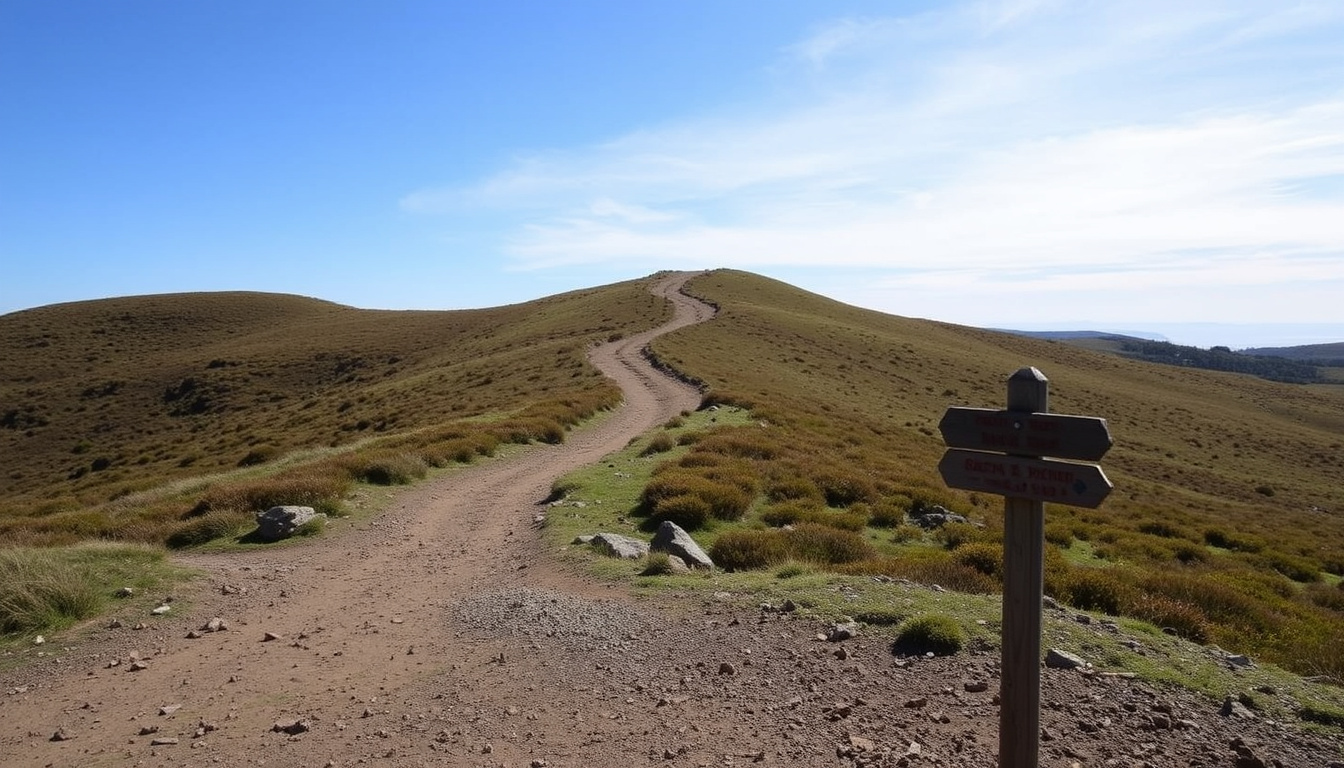
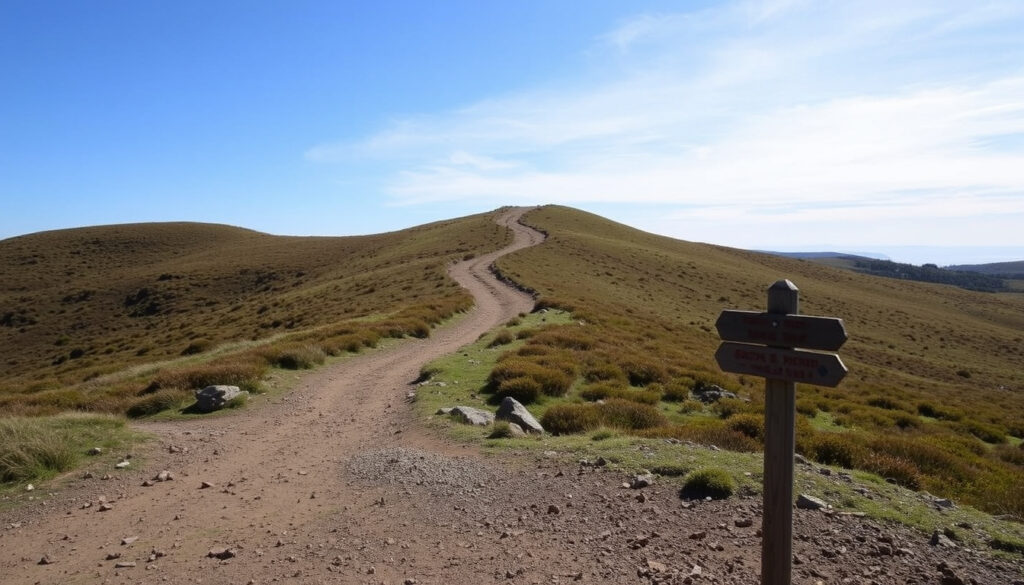
Conic Hill rises sharply above the village of Balmaha on the eastern shore of Loch Lomond. It is one of the most accessible hill walks in the Loch Lomond & The Trossachs National Park, with a 361-metre summit that looks out over the loch’s islands and the southern edge of the Highlands.
The walk is short but rewarding. It follows a clear track through forest, joins the West Highland Way, then climbs a steeper, rockier section to a summit that feels far bigger than its height suggests. The route can be completed in under half a day, which makes it a popular choice for visitors to the area and for locals looking for a quick hill fix.
The practical details matter most before a visit: how long the climb takes, whether Conic Hill counts as a Munro, where to park, how the weather behaves, and what the final section of the path feels like underfoot.
How Long Does It Take to Climb Conic Hill?
Most walking guides estimate between 1.5 and 3 hours for the return trip from Balmaha. The ascent usually takes 45 to 90 minutes, depending on fitness and how often you stop to take in the view, while the descent takes 35 to 60 minutes. On wet days, it is sensible to budget for the longer end of that range.
A few key points are worth remembering before setting out:
- Conic Hill is not a Munro, but its position on the Highland Boundary Fault gives it panoramic views over Loch Lomond and the southern Highlands for a fraction of the effort.
- The walk is short but steep: most people take 45–60 minutes to reach the summit and 30–45 minutes to descend.
- Parking fills early in peak season: arriving before 9am or after 3pm gives the best chance of finding a space at Balmaha.
- Weather can change quickly: even on sunny days, the summit can be windy and cold, with visibility dropping fast.
- The terrain combines a good path with steps, a short scramble near the summit, and potential mud on the descent in wet conditions.
- Distances vary by source: most guides report a round trip of roughly 4 to 6.5 km for the standard route.
| Feature | Detail |
|---|---|
| Elevation | 361 m (1,184 ft) |
| Classification | Graham (not a Munro) |
| Location | Balmaha, Loch Lomond & The Trossachs National Park |
| Start Point | Balmaha Car Park |
| Walk Distance | Approx 3.5 km (2.2 miles) round trip |
| Total Ascent | Approx 300 m (984 ft) |
| Average Time | 1.5–2.5 hours |
| Difficulty | Moderate (steep but short) |
| Path Type | Well-maintained dirt/gravel path |
| Dog Friendly | Yes (keep under control near livestock) |
How Hard is the Conic Hill Walk?
Most sources rate the walk as moderate, or easy-to-moderate, depending on fitness. The lower half climbs steadily along a good path with steps in places; the main challenge arrives near the top, where a steeper path involves some rocky scrambling. Walkhighlands notes that the descent can feel harder than the climb, especially when the ground is wet.
Is Conic Hill Suitable for Beginners?
For walkers with a reasonable base level of fitness, yes. The route is short, well signed, and free of exposed or technically demanding ground. The steep final section is the part to take seriously, and beginners should allow extra time and stay careful on the way down. The hill is also a regular choice for families with active children.
Conic Hill Walk Distance and Total Ascent
Reported distances vary a little between sources. Most place the standard out-and-back route at around 4 to 6.5 km in total, with an ascent of about 300 metres. That elevation gain explains why the climb feels steeper than the hill’s 361-metre height suggests. WalkingBritain publishes a full route description with distance and ascent figures.
Is Conic Hill a Munro? And Other Key Facts
No, Conic Hill is not a Munro. Munros are Scottish mountains over 3,000 feet (914 metres), and Conic Hill’s summit stands at 361 metres (1,184 feet). Hill classifications list it as a Graham rather than a Munro, and many guides simply describe it as a short hill or small summit. AverageLives addresses the Munro question directly in its own write-up of the walk.
Conic Hill’s prominent outline and its position at the edge of the Highlands make it a common source of confusion. Munro status requires a minimum height of 3,000 feet, and Conic Hill falls well below that. The distinction matters mainly to walkers who keep a Munro tally; for everyone else, the walk is worth doing regardless of classification.
What is the Height of Conic Hill?
The summit rises to 361 metres above sea level, or 1,184 feet. Because the walk begins near the level of Loch Lomond in Balmaha, the total ascent is roughly 300 metres. That makes Conic Hill a modest climb in absolute terms, but a steady one from start to finish.
Where is Conic Hill Located? (Balmaha, Loch Lomond)
Conic Hill sits directly above the village of Balmaha on the east side of Loch Lomond. Balmaha lies within the Loch Lomond & The Trossachs National Park and is an established stop on the West Highland Way, which passes through the village. The National Park’s Conic Hill page provides official route information.
Conic Hill Elevation in Feet and Metres
Guides quote the summit at 361 metres or 1,184 feet, and the two figures are used interchangeably. Neither brings Conic Hill close to Munro status, which requires a minimum of 914 metres (3,000 feet).
Where to Park and Directions to Conic Hill
The standard starting point is Balmaha car park, next to the National Park Visitor Centre. The route begins at the back of the car park, where a forest track leads toward the West Highland Way. Sobt’s walk log confirms the same starting point from a personal trip report.
What are the Best Directions to Conic Hill?
The route can be broken into five simple stages:
- Park at Balmaha car park.
- Walk to the back of the car park and follow the forest track — Visorando describes this opening section in detail.
- Join the West Highland Way and keep climbing; the National Park’s route card covers this part of the path.
- Take the steeper right-hand path near the top to reach the summit, with some rocky scrambling on the final section.
- Return the same way, or continue on the West Highland Way for a longer loop variation, as mapped on AllTrails.
Sources consistently describe Balmaha car park as limited in size and subject to charging. On weekends and in summer, it can fill by mid-morning. Arriving before 9am or after 3pm gives walkers the best chance of finding a space.
Conic Hill Parking: Where and How Much?
Balmaha’s main public car park sits beside the National Park Visitor Centre and is described by most guides as pay-and-display. Some sources mention free or roadside parking nearby, so the situation may vary. Loch Lomond Waterfront includes parking notes in its practical walking information for the hill.
Getting to Conic Hill by Public Transport
Public transport options to Balmaha exist but are limited. The village is a recognised stop on local routes serving the Loch Lomond area, and the West Highland Way brings walkers through on foot. Anyone planning to rely on buses should check current schedules, as services are less frequent at certain times of year.
For group outings or walkers carrying bulky equipment, the travel side of the day matters as much as the path itself. A practical guide to vehicle sizes and hire options is available here: Luton Van – Size, Hire and Buying Tips for UK Drivers.
What is the Weather Like on Conic Hill?
The walk is exposed near the summit, so conditions can change quickly. A still morning at the car park can turn into a windy, cold afternoon at the top, and wet weather makes the rocky sections and the descent more slippery. Cameron House’s step-by-step account of the walk makes the same point from a recent expedition.
Conic Hill Weather Forecast: Best Time to Visit
Live conditions change day to day, and the sources used here do not provide a current forecast. Summer offers the most reliable weather window and the longest daylight hours, but it is also the busiest season. Spring and autumn often bring clear, crisp conditions with fewer people, while winter can introduce ice and snow on the upper path. A dedicated mountain weather forecast for Loch Lomond from the Met Office is the most useful resource before a visit.
The upper part of Conic Hill offers little shelter. Wind can pick up quickly, visibility can drop without warning, and rain turns the rocky final section and the descent into a slippery exercise. Extra layers and waterproofs are worth carrying even when the day starts dry.
What to Wear for the Conic Hill Hike
Layers are the starting point. A waterproof jacket is recommended even if the forecast looks dry, and footwear with good grip matters on the rocky summit approach. Many guides suggest hiking boots or sturdy shoes, particularly in wet or icy conditions. The Scottish Outdoor Access Code also sets out wider responsibilities for walkers and dog owners in the countryside.
Are There Restaurants Near Conic Hill?
Balmaha is a compact village, and its facilities reflect its size. The National Park Visitor Centre and public toilets sit near the car park, but the main walking guides that document Conic Hill focus on the route rather than dining options. For food and drink before or after the walk, Balmaha is the only practical choice on this side of the loch.
Places to Eat in Balmaha After the Walk
The village has a small number of establishments that cater to walkers, though specific names are not consistently documented across route guides. Venues change hands, and opening hours tend to shift with the seasons. Checking current local reviews before your visit is the most reliable way to plan a meal.
Cafes and Pubs Near Conic Hill
Any cafe or pub serving the hill would be found in Balmaha itself, since the hill has no buildings or services of its own. Given the village’s size, treating refreshment stops as a bonus rather than a guarantee is the sensible approach, and carrying water and snacks for the walk is a reasonable backup plan.
What is the Best Time of Year to Walk Conic Hill?
Conic Hill can be walked at any point in the year, but each season changes the experience. The following overview draws on conditions described across multiple guides, including Countryfile’s walk write-up:
- Spring (March–May): mild temperatures with possible rain and mud on the path. Snow usually clears from the lower slopes, wildflowers appear, and the hill gets busier around Easter.
- Summer (June–August): the best weather window and the longest days, but also the busiest period. Parking at Balmaha can fill by 9am, and midges can be troublesome in still conditions.
- Autumn (September–November): crisp, clear days with good visibility and fewer crowds. Shorter daylight hours mean an early start is the safer option.
- Winter (December–February): cold conditions with possible ice or snow near the summit. Daylight is short, paths can be slippery, and checking a mountain weather forecast before setting out is strongly recommended.
What Do We Know for Certain About Conic Hill?
Some details about the walk are firmly established, while others depend on conditions and on which source you consult. The table below separates the two:
| Established | Remains unclear |
|---|---|
| Conic Hill is 361 m (1,184 ft) high. | Exact walking time varies by fitness level and conditions. |
| It is not a Munro. | Weather can change rapidly — always check the forecast on the day. |
| The walk starts from Balmaha. | Parking availability varies seasonally; there is no live availability data. |
| Parking is available but limited and charged. | Path conditions vary with the weather, including mud, ice, and slippery rock. |
| The round trip takes 1.5–2.5 hours for most walkers. | Distance estimates range from roughly 4 km to 6.5 km depending on the source and route. |
Why is Conic Hill So Popular?
Conic Hill’s appeal comes from a combination of easy access, a short but rewarding climb, and views over Loch Lomond’s islands that rival those of much higher hills. It sits within reach of Glasgow and central Scotland, making it a practical choice for a half-day walk or a first hillwalking experience.
The hill also sits directly on the Highland Boundary Fault, the geological line that divides Scotland’s Lowlands from the Highlands. From the summit, that divide is clearly visible: lowland terrain to the south, highland peaks to the north. The same kind of deep natural process shapes coastlines and ocean chemistry on a global scale, a subject explored in Sea Salinity – Global Map and Why Some Seas Are Saltier.
Balmaha itself is worth exploring after the descent. The village has a visitor centre and serves as the departure point for the short ferry crossing to Inchcailloch island, while the drive north along the loch shore leads to other scenic stops such as Luss.
What Do the Official Sources Say About Conic Hill?
The main walking bodies and reference works describe Conic Hill in consistent terms, from the effort involved to the views at the top.
“A short but fairly stiff climb to the top of Conic Hill, 361m high. The rewards come in the expansive views seen throughout the walk and from the top.”
Loch Lomond & The Trossachs National Park
“Conic Hill is a sharp little summit rising above Balmaha. Right on the Highland Boundary Fault, this short hillwalk offers truly fantastic views over Loch Lomond.”
Walkhighlands.co.uk
“Conic Hill is a prominent hill in Stirling, Scotland. Elevation 361 m (1,184 ft).”
Is the Conic Hill Walk Worth It?
For most walkers, yes. Conic Hill offers one of the most straightforward ways to get above Loch Lomond and take in the full sweep of the loch and its islands. It is short enough to fit around other plans, demanding enough to feel like a proper climb, and clear enough in its route that most people can complete it without specialist equipment. Arrive early, check the weather, and the hill does the rest.
Frequently Asked Questions
Can you walk Conic Hill in trainers?
In dry conditions, yes — the path is well-maintained. In wet or icy conditions, hiking boots or shoes with good grip are strongly recommended.
Is Conic Hill suitable for children?
Yes, for reasonably active children aged 6+. The path is clear but steep in places. Allow extra time and take plenty of snacks and water.
Are dogs allowed on Conic Hill?
Yes, dogs are welcome. Keep them under control, especially near livestock and other walkers.
What is the best time of day to walk Conic Hill?
Early morning (before 9am) for parking and quieter paths. Late afternoon for sunset views.
Is there a toilet at Conic Hill?
There are public toilets in Balmaha village near the car park. No facilities on the hill itself.
What should you bring for the Conic Hill walk?
Layers, waterproofs, and footwear with good grip are the essentials. Checking the mountain weather forecast before setting out is recommended, especially in winter.

Sophie Kendall is Culture & Events Editor at DailyCity.co.uk, covering restaurants, nightlife, theatre, exhibitions, festivals and city life.